Recap Akkerbouwdag 2026
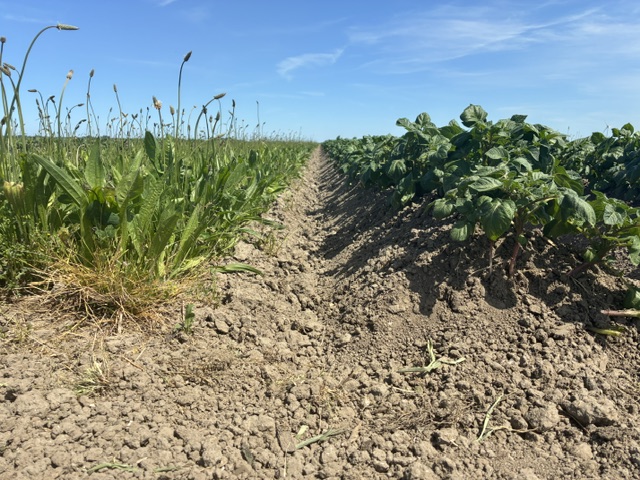
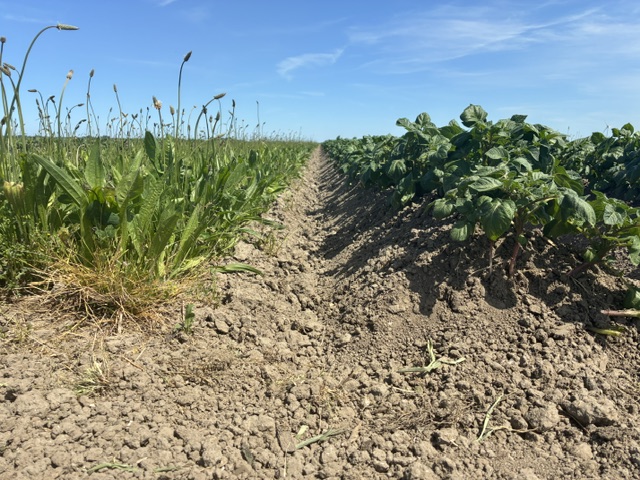
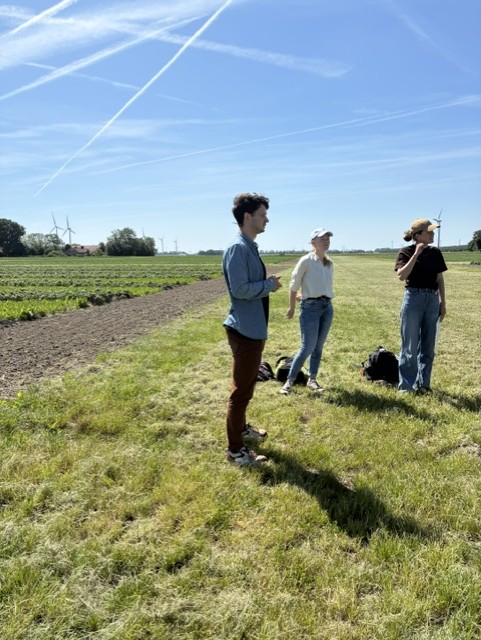
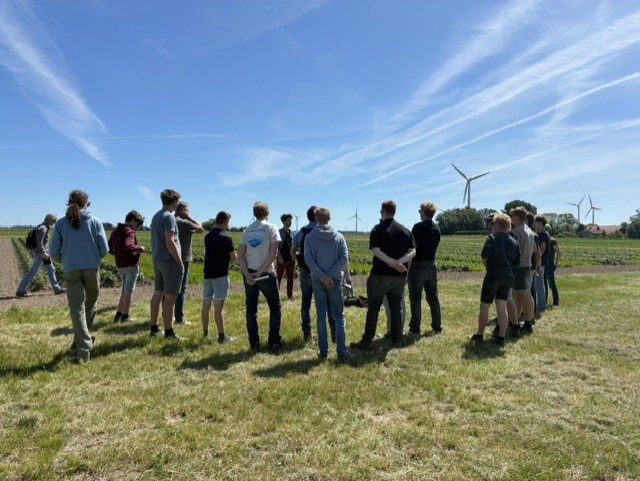
During the Arable Farming Day, we were pleased to take MBO students and other visitors through our strip cropping system trial in Lelystad. During a field excursion by wagon, we went into the fields to show up close how crop diversity works in practice.
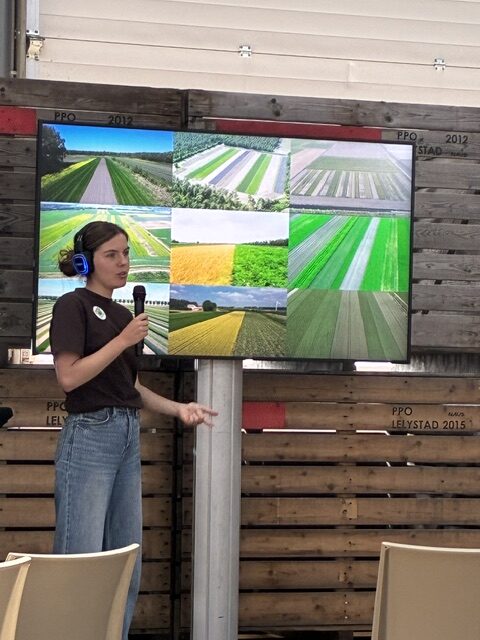
In addition, we organised an interactive “ask-anything” session titled “from mono to more”, where we shared insights from several years of strip cropping research.
The most important insights:
Strip cropping has a positive effect on biodiversity
-Dit is over meerdere jaren gemeten door o.a. vogeltellingen, monitoring van bodemleven, loopkevers en zweefvliegen
-In strokenteeltsystemen zien we meer plaagonderdrukkende insecten dan schadelijke insecten dan in monoculturen – een belangrijk signaal voor een weerbaar teeltsysteem
Yield increases or losses tend to be neutral
In short, greater diversity in the field contributes to a more robust and future-proof farming system.
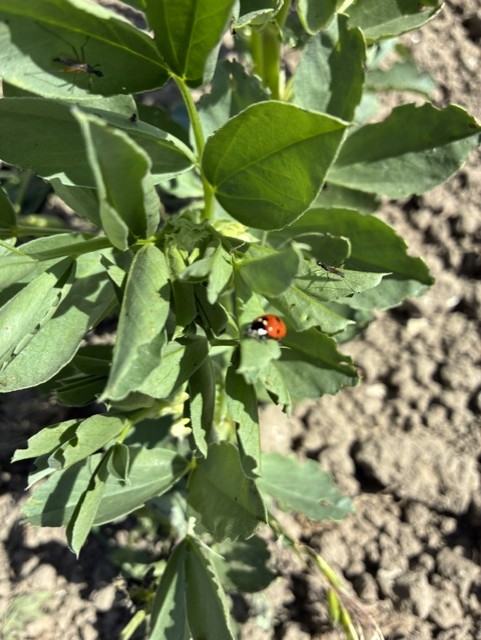
Crop rotation with cover crops and organic bulbs creates space for farmland biodiversity.
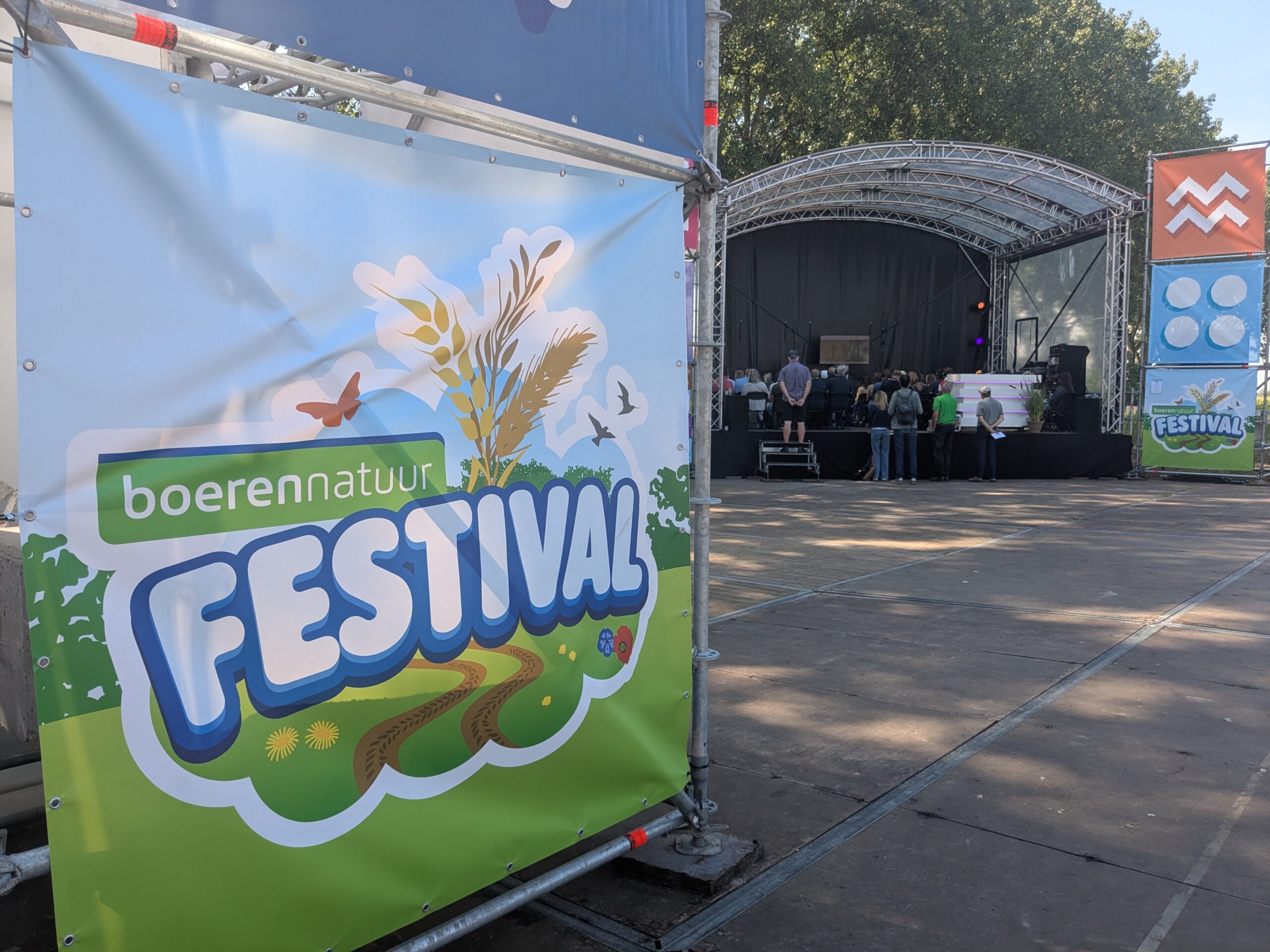
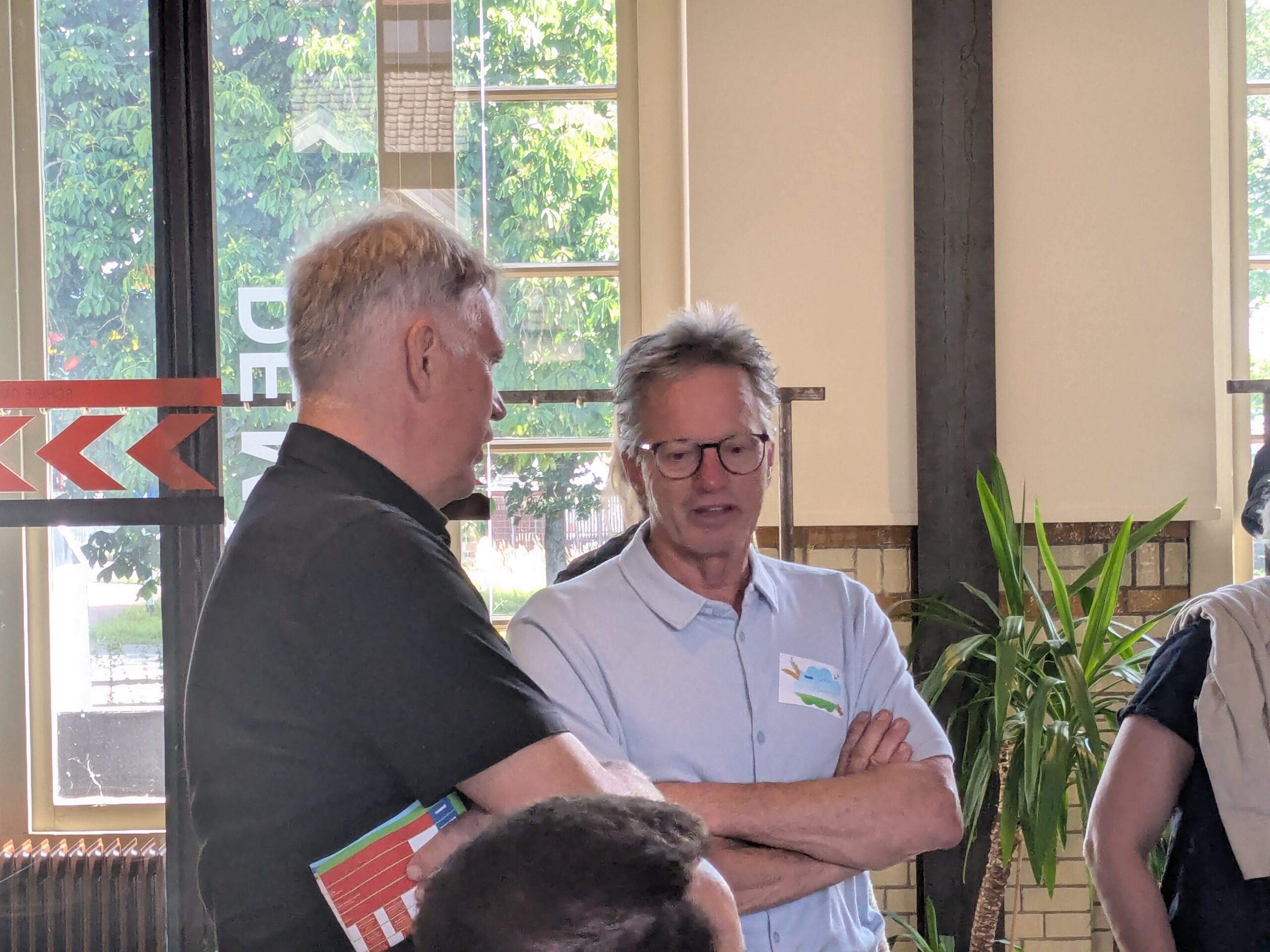
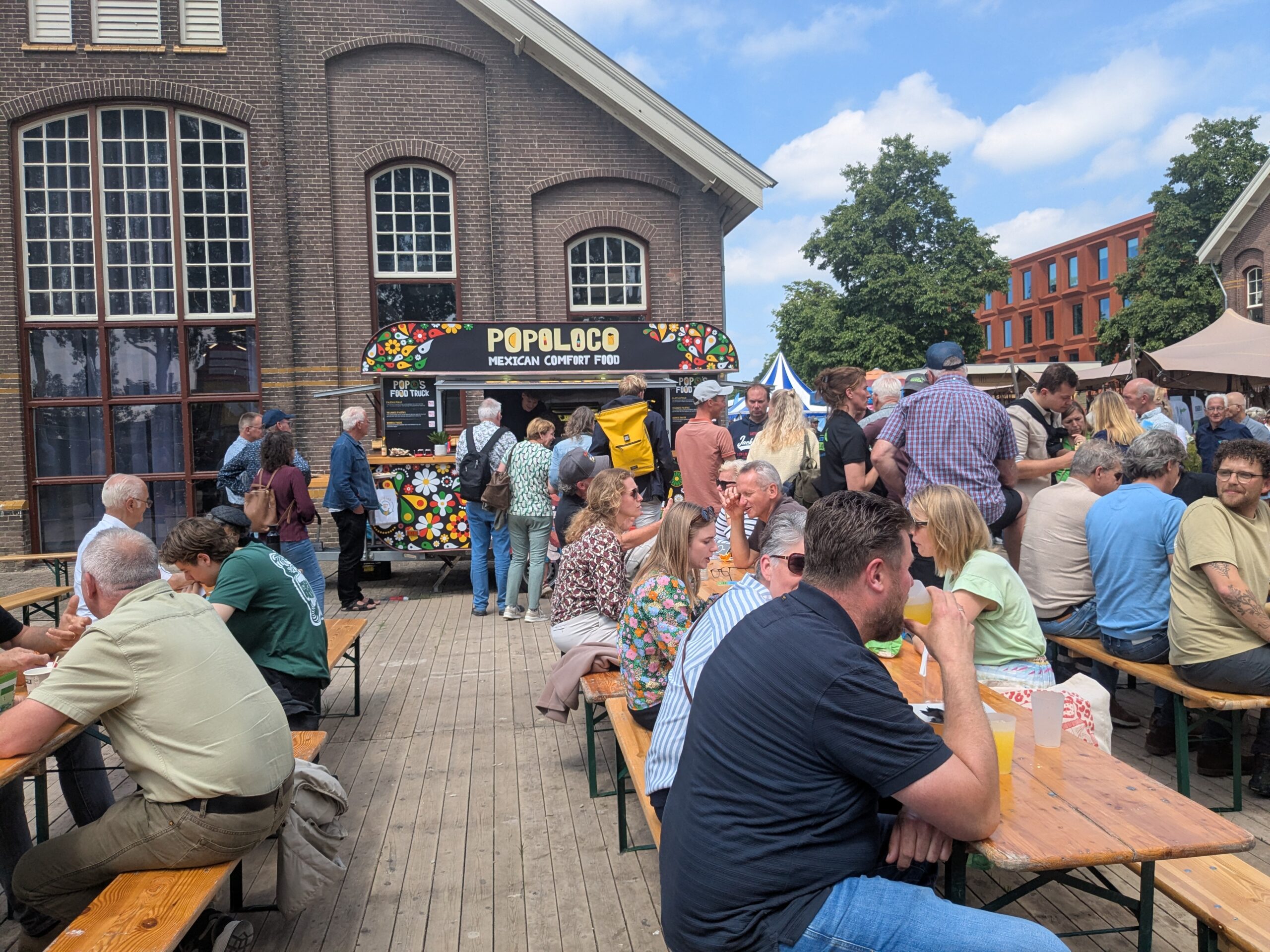
Tijdens het BoerenNatuur Festival op 16 juni in Deventer deelden bollenteler en bodemcoach John Huiberts, jonge onderzoeker Hilde Faber (WUR) en landbouwadviseur Maria van Boxtel (Land & Co) tijdens een workshop hun ervaringen en kennis met gewasdiversiteit met een belangstellend publiek.
In the workshop “from mono to more: crop diversity for a resilient cropping system”, farmers, growers and members of agricultural nature associations noticed something striking: in organic bulb cultivation, fields are left undisturbed for long periods. This creates excellent opportunities for farmland birds and — when combined with cover crops, landscape elements and crop rotation — provides a long flowering period for insects. “We don’t have many agri-environment scheme agreements with bulb growers,” one participant noted. “Perhaps there are more opportunities there than we think.”
It certainly helps that bulb grower John Huiberts and his successors take a distinctive approach. “We grow with a strong focus on soil quality. One year a mix of cover crops, then tulips, then daffodils, followed by smaller bulbs such as grape hyacinths,” John explained. Huiberts Bloembollen also applies non-inversion tillage, develops its own tailored cover crop mixtures, and produces its own compost from cuttings collected in nature reserves. “We even invested in a large shed to produce bokashi and compost under cover.” Using their own compost tea — including material from the Zwanewater nature reserve — they apply high levels of silicon to the bulb foliage. “I see the resilience of my organic bulbs increasing,” says John. This approach is the result of years of experimentation. “We keep searching. We even travelled to Kazakhstan to study and sample the soil microbiome of bulbs in their original habitat.”
John Huiberts opted for crop rotation with bulbs because strip cropping did not fit well in his system. “Bulbs belong to just two families, so in strip cropping you end up too close together both in time and in space,” explained agricultural advisor Maria van Boxtel. She shared an example of an arable rotation in strips, where at least four crops are combined with a flower strip. “If you aim to restore farmland biodiversity, large fields of over 20 hectares with only a single crop are very challenging for insects and birds. Where would insects — or species such as grey partridge, meadow pipit, yellowhammer or whinchat — still find food there? It’s difficult.” An approach in modern arable farming using narrow, perennial, herb-rich strips within the field — for example 3 to 6 metres wide — is practical and highly valuable. “Research within CropMix shows that it also provides habitat for natural enemies of pests and diseases. Such a layout is also a form of strip cropping.”
“Does this still deliver the same yields?” one workshop participant asked. Early-career researcher Hilde Faber was well placed to answer that question. “As scientists, we always want more data,” she laughed. “But we have measured yields on a number of both conventional and organic farms, comparing crops grown in strips with those in full-field systems. This includes multi-year data, such as three years on a large arable farm in the Flevopolder with 6-metre strips. We see that some crops perform slightly better and others slightly worse. Overall, yields in strip cropping are comparable and may even be more stable across years. Of course, we are continuing to expand our research to include more years and more crops.” Notably, parsnips in organic systems seem to perform particularly well in 6-metre strips, as do potatoes — which may be expected given that late blight (Phytophthora) spreads more slowly. “Onion cultivation in strips, on the other hand, is more challenging and tends to result in slightly lower yields on average.”
Participants continued their discussions enthusiastically after the workshop. “We often look for agri-environmental measures outside the crop itself, such as field margins,” one participant noted. “But there are also real opportunities within the cropping system to diversify the rotation in a straightforward way.”
John Huiberts fully agreed. “Working on soil quality already brings so many benefits. If you strengthen soil life, your field immediately becomes far more attractive for all kinds of biodiversity.
Text and Photos: Maria van Boxtel