
Arable herbs, arable flora or weeds?
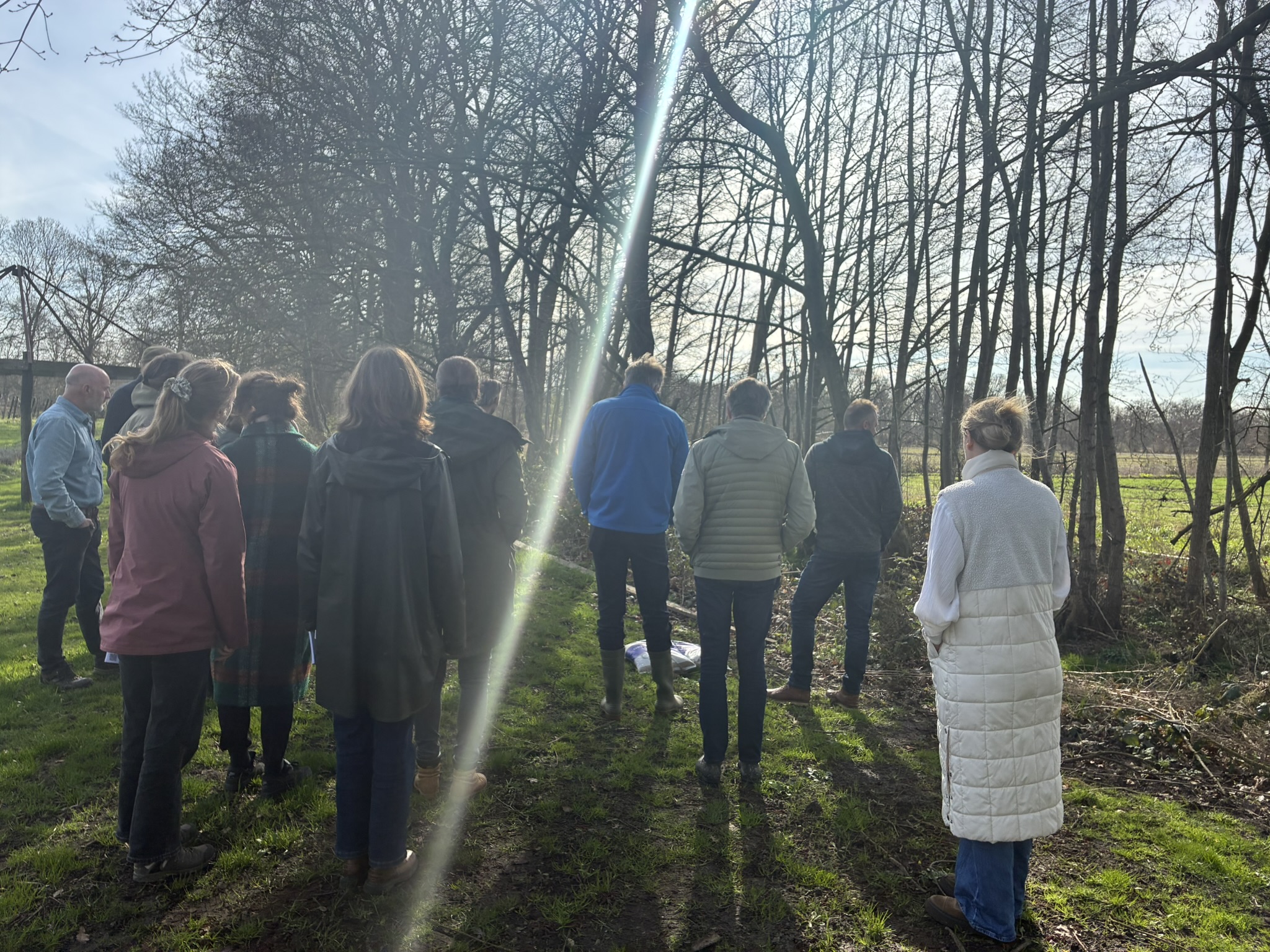
On 20 March, the thematic meeting on field flora and crop diversity took place, organised by AGROSOIL and CropMix. We were guests in Nijkerk, where arable farmer Pieter van Leeuwen Boomkamp gave us a tour of his farm.
Farmers and researchers discussed arable flora. Their main aim was to begin addressing the question: How can we manage problematic weeds within a sustainable arable farming system?
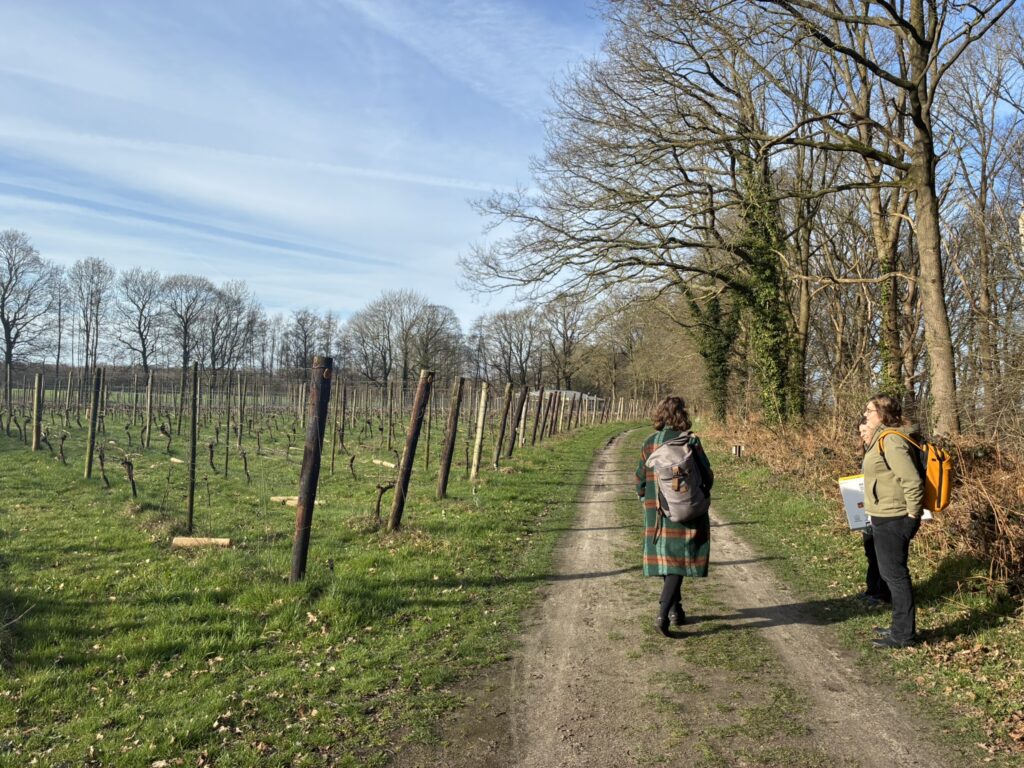
Several topics were discussed:
- Which arable flora (weeds) are most challenging?
- What other possible control measures, apart from the use of herbicides, are available, and which ones should be prioritised in research?
- What do the transition pathways look like for achieving sustainable management of arable flora by 2040?
- The initial research findings from CropMix and AGROSOIL on the effect of strip cropping on arable flora
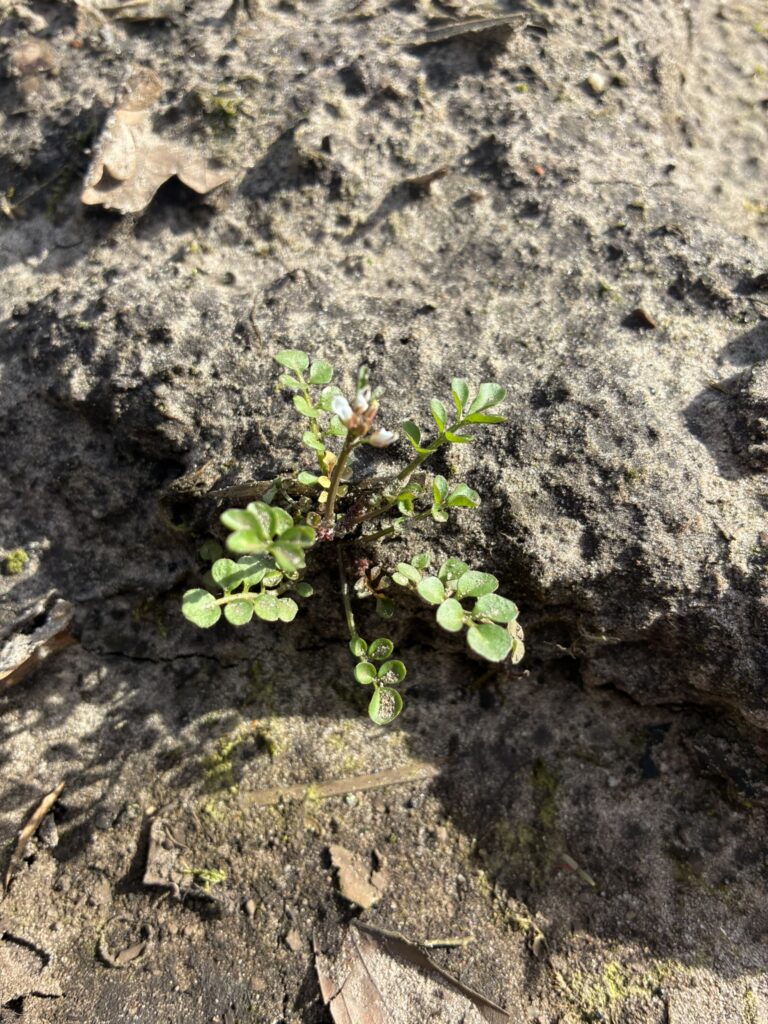
Problematic arable flora
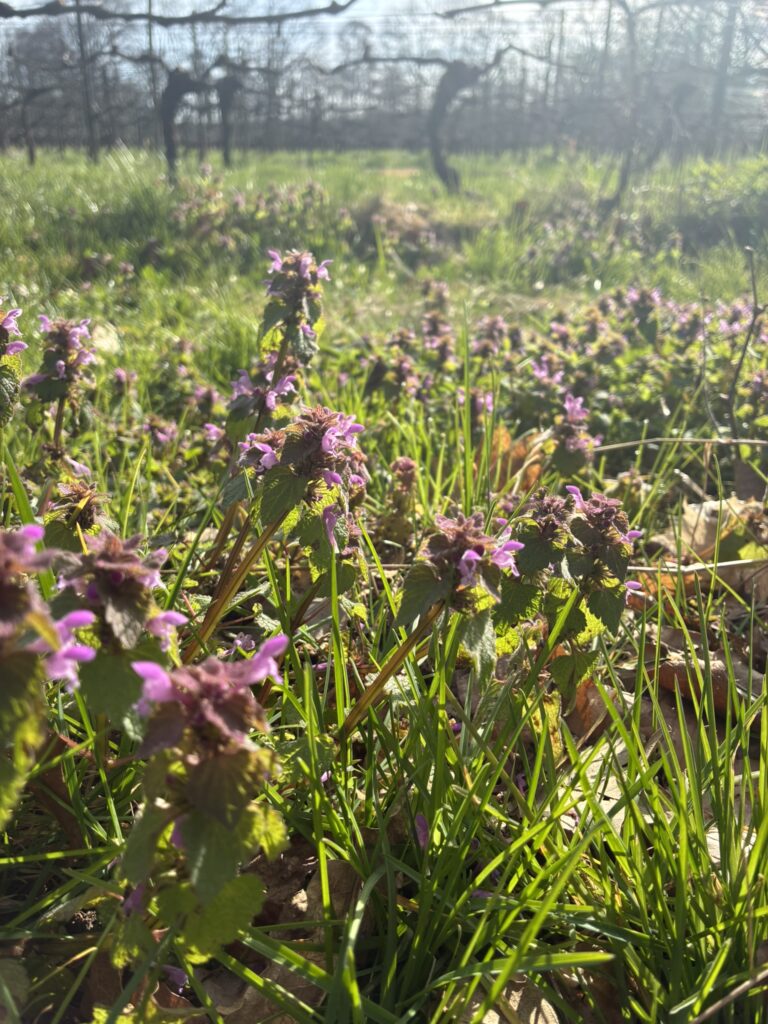
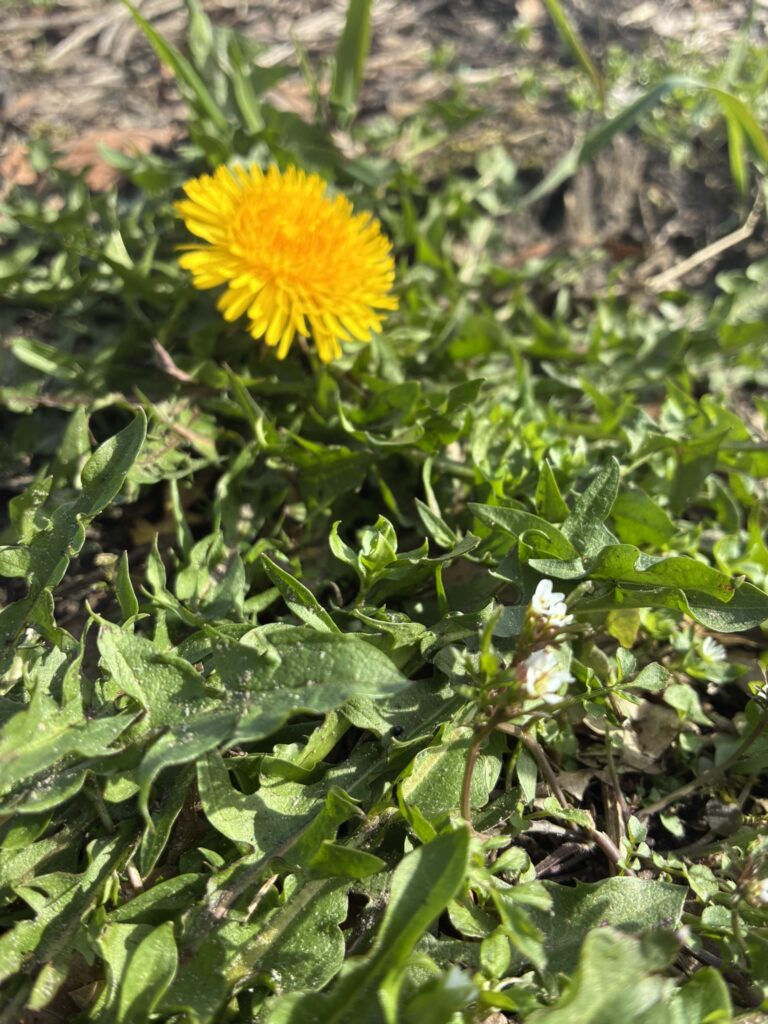
Field thistle, goosefoot, knapweed, chickweed and black nightshade, amongst others, scored highly in the voting round as the most problematic field weeds. These are examples that the researchers will tackle first. It was difficult to choose from the no fewer than 200 known species of field weeds, so these are not the only examples the researchers will be working on. FFurther information on which species cause problems on different types of soil could lead to other choices.
A wide range of control measures was proposed, including crop diversification, competition, disturbance, mechanical control, biological control and weed seed bank management. It is expected that a combination of control measures will be essential.
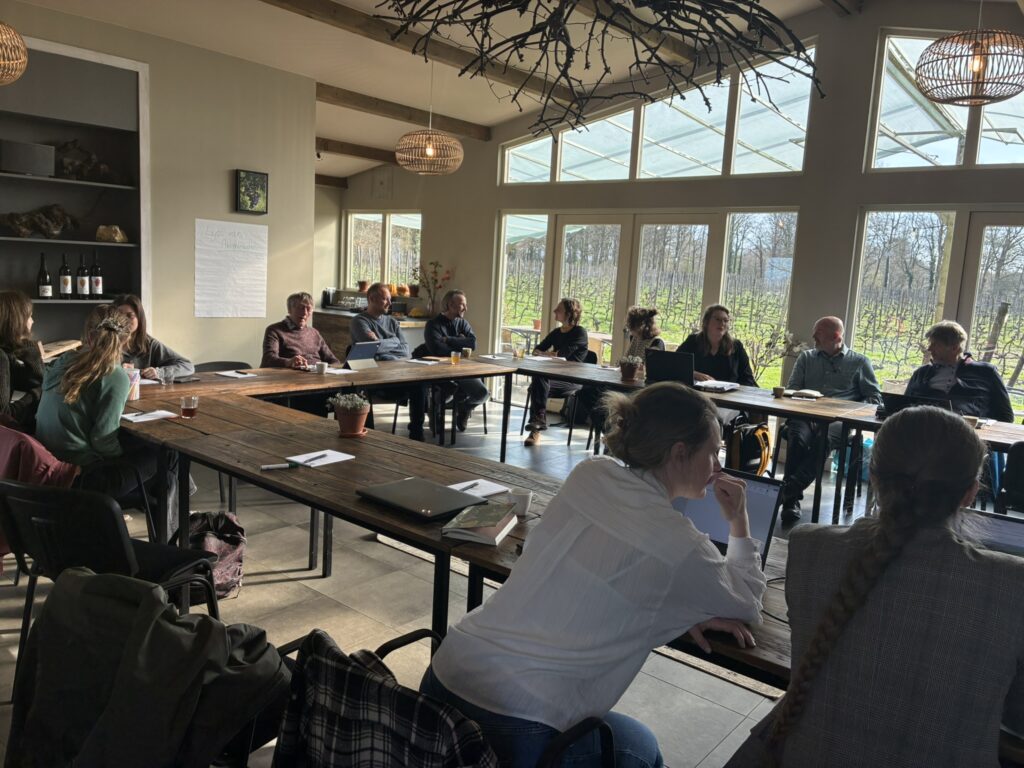
Towards sustainable weed management
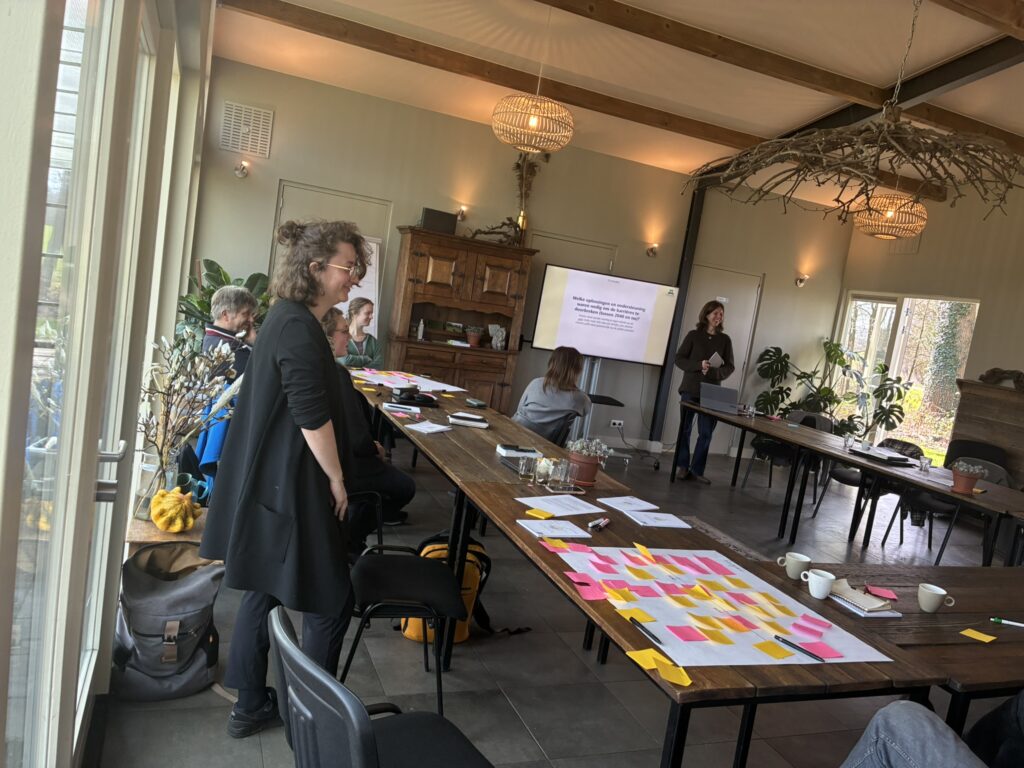
It wasn’t just the arable flora we consider problematic that were discussed. We also addressed the question: How do we move towards a system of sustainable weed management by 2040? In the ‘transition pathways’ workshop, participants worked in small groups to identify the barriers and solutions. Key steps in the transition turned out to be knowledge development, a shift in culture and the involvement of supply chain stakeholders.
Results from research
Within CropMix and AGROSOIL, the research carried out by PhD students is yielding increasingly valuable results. For example, studies are investigating whether strip cropping, in particular, could be a suitable management measure for reducing problematic weeds. Initial findings show that a greater diversity of field flora occurs in a strip cropping system than in a monoculture system. According to the theory, this greater diversity is beneficial, as a varied arable flora can help to suppress undesirable species.
We also examined how weeds develop at the edges of a strip, compared to the centre, in a system involving cabbage and oats. The strip edges appear to be areas of interest where – depending on management practices and crop combinations – more weeds can grow. Further research is certainly needed, but this is already a promising start.
Photos: Jessica Spaan.