Consortium meeting 4th of June 2026
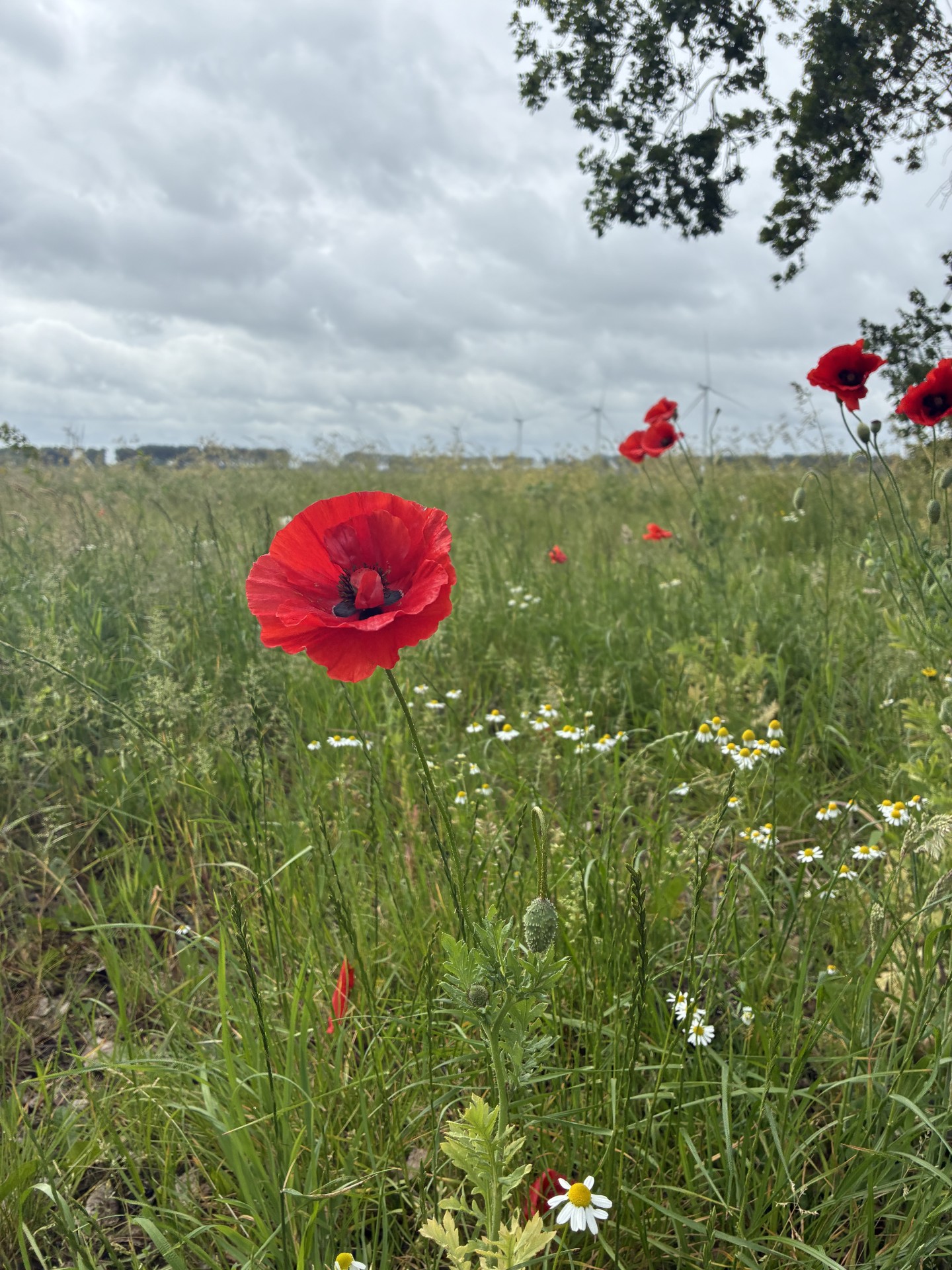
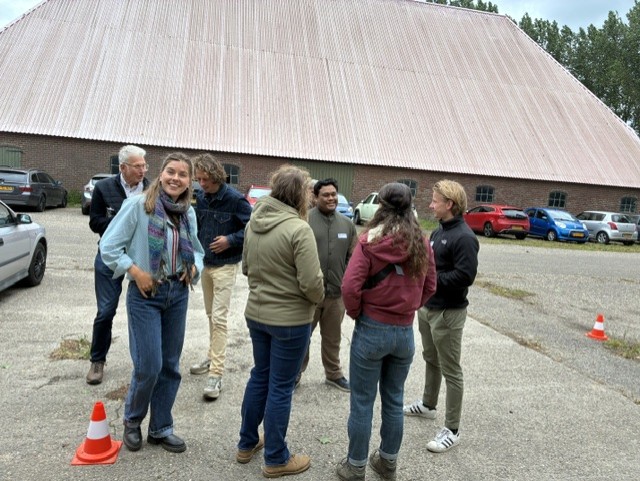
On June 4, the CropMix partners gathered at the Pallandtpolder Experimental Farm in Middelharnis for an inspiring consortium day. Martijn and Remco warmly welcomed us to their farm and took us out into the field. There, they showed how they work with wide strips within a conventional cropping system, focusing on improving soil health through strip cropping and the use of bokashi. The first effects are already visible in the soil, but also above ground: there is more life, including lapwings and nests in the field
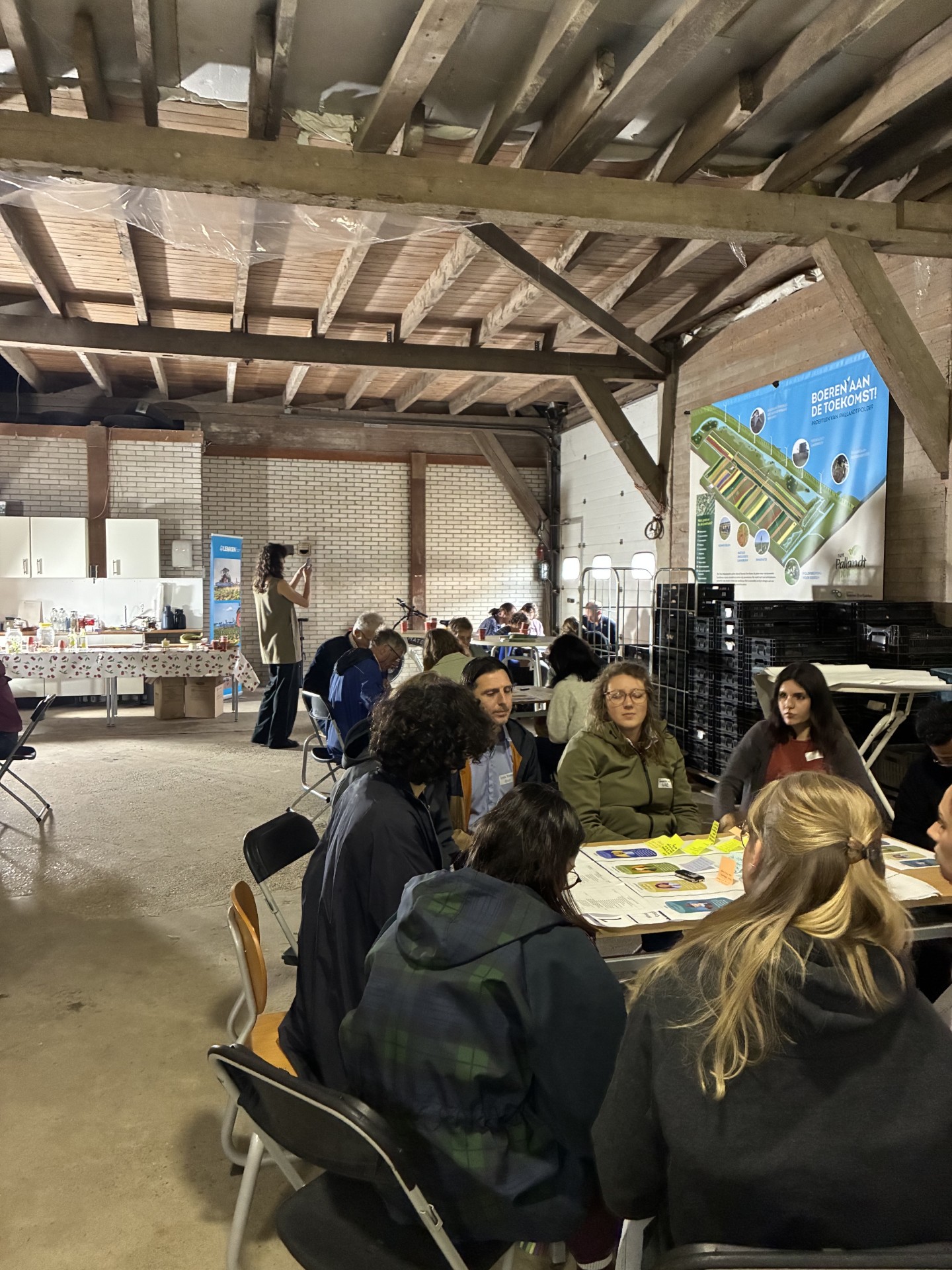
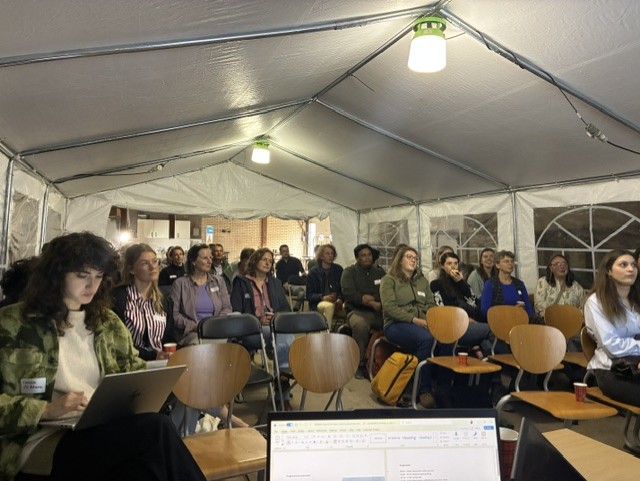
After this practice-oriented start, the day focused on exchange and deepening insights. Partners discussed the progress of the project, shared their findings, and jointly explored how the results of CropMix can be further utilized.
Living Labs: from exploration to direction
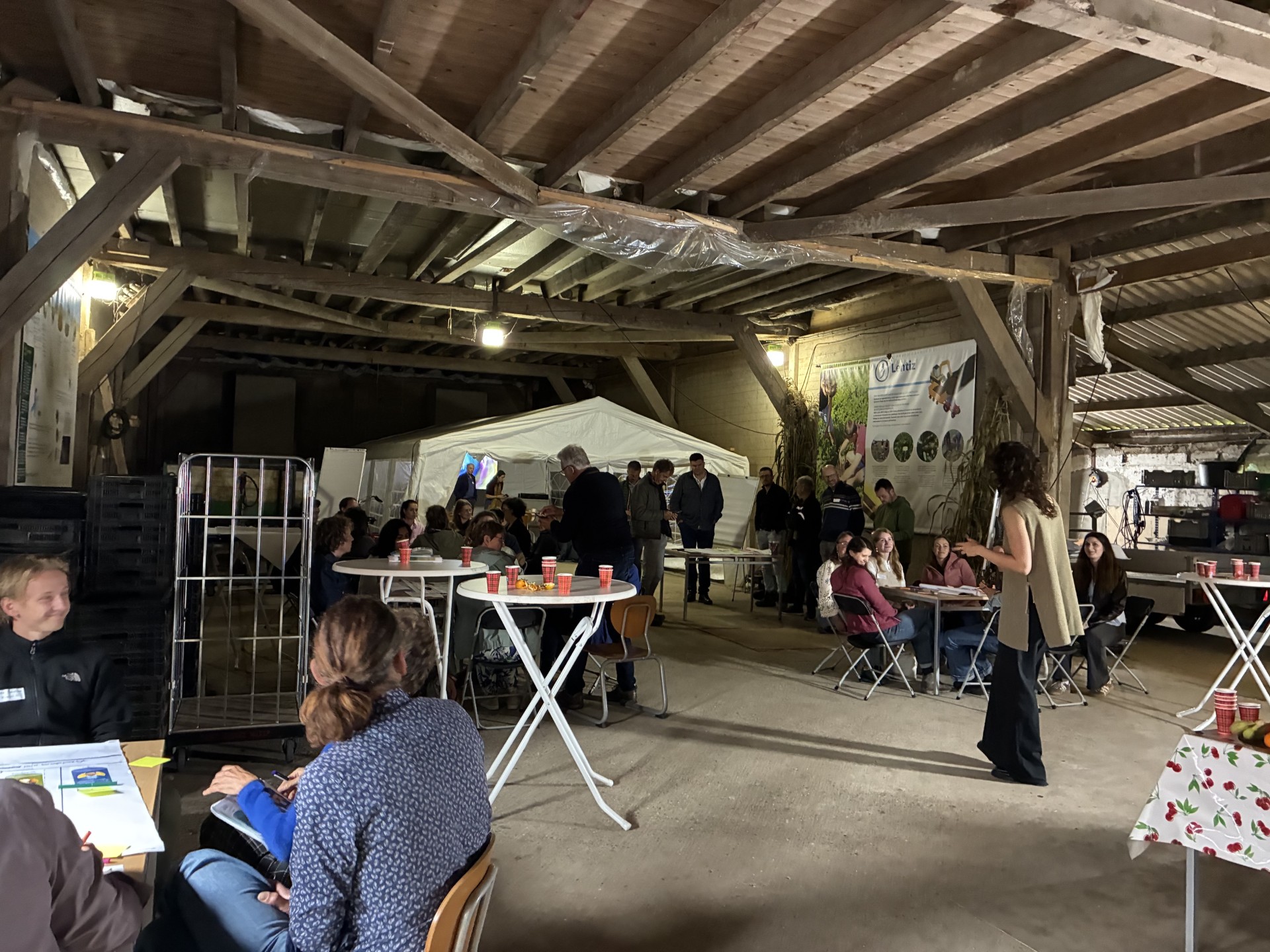
A key part of the day was reflecting on the Living Labs. What started with an initial meeting in Lelystad—with the ambition of establishing Living Labs—has now developed into a broad learning environment. Of the original list of 19 topics, more than 9 have now been actively taken forward.
Instead of addressing each topic individually, we focused on the bigger picture and recurring challenges. In doing so, we built on an earlier meeting in Odijk, where—guided by the Athena Institute—we explored future scenarios: what does a crop-diverse agricultural system look like, and how can we move closer to it?
Regional organization as a key to success
One of the key insights is the importance of regional coordination. For achieving high biodiversity, diversity at the field level alone is not sufficient; diversity across the wider landscape is crucial. Different types of farms and cropping systems can reinforce each other at the regional level.
Working at a regional level also creates opportunities to:
- strengthen collaboration between farmers
- share means and machines
- build new networks
- connect to the region and increase market share
This also requires clear conditions: people need to feel connected to their region, there must be adequate support, and area-based approaches need to be actively encouraged. While national frameworks remain important, much of the opportunity for action lies precisely at the regional level.
Supply chains: a search for fitting models
A second key theme is the organization of value chains. Crop-diverse farming systems generate significant societal benefits—for biodiversity, soil, and water—but these efforts are not yet sufficiently rewarded.
Binnen CropMix zijn verschillende richtingen verkend:
- Vertical supply chains: collaboration within the chain with producer organizations, risk sharing, and potentially data as an added source of value.
- Regional/mid-range supply chains: in which production, logistics, and marketing are organized at the regional level.
- Community-supported agriculture: where farming not only produces food, but also forms a local economy with shared responsibility and financing.
Each supply chain has its own opportunities and challenges. For example, crop diversification brings practical bottlenecks such as smaller volumes and increased harvesting effort, while scaling up and logistics require new forms of organization. See also this report.
Factsheets
In the afternoon, we continued with a series of sessions on already published guidelines (on strip cropping in general, yields, diseases & pests, and mechanization). Additional guidelines are currently being developed on mechanization and weed management, as well as biodiversity. The aim is to create a comprehensive starter package for anyone interested in learning more about crop diversification or getting started themselves. These can be found here