Slugs & strip-cropping: lessons from research
Strip cropping increases the number of slugs and their predators, but crop damage does not increase Strip cropping is a farming approach in which…
Read MoreArable farmers, researchers and chain partners are joining forces to achieve a breakthrough in the transition to sustainable arable farming in the five-year research programme CropMix. The focus is on increasing crop diversity, in particular through strip cropping. By doing so, we want to bring ecology and arable farming together and drive the societal transition to a more sustainable, ecology-based agricultural system.
We are now well past the midpoint of the five-year CropMix research program. We are actively engaged in the fourth year of field research, and many researchers have now completed their data collection and are busy analyzing the data and writing their scientific publications. This is good news, as it means that more and more results can be shared. Take a look at the results section, where you can find the fact sheets, the supply chain report, and the most recent scientific publications!
Read the latest news and updates on CropMix and our findings.
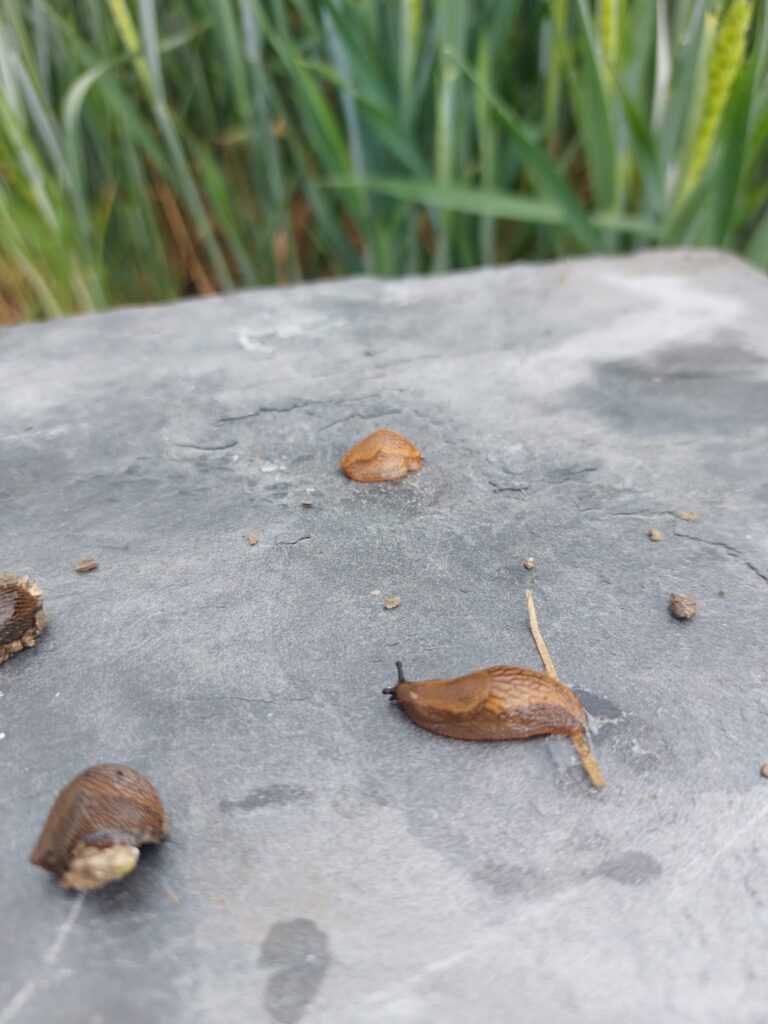
Strip cropping increases the number of slugs and their predators, but crop damage does not increase Strip cropping is a farming approach in which…
Read More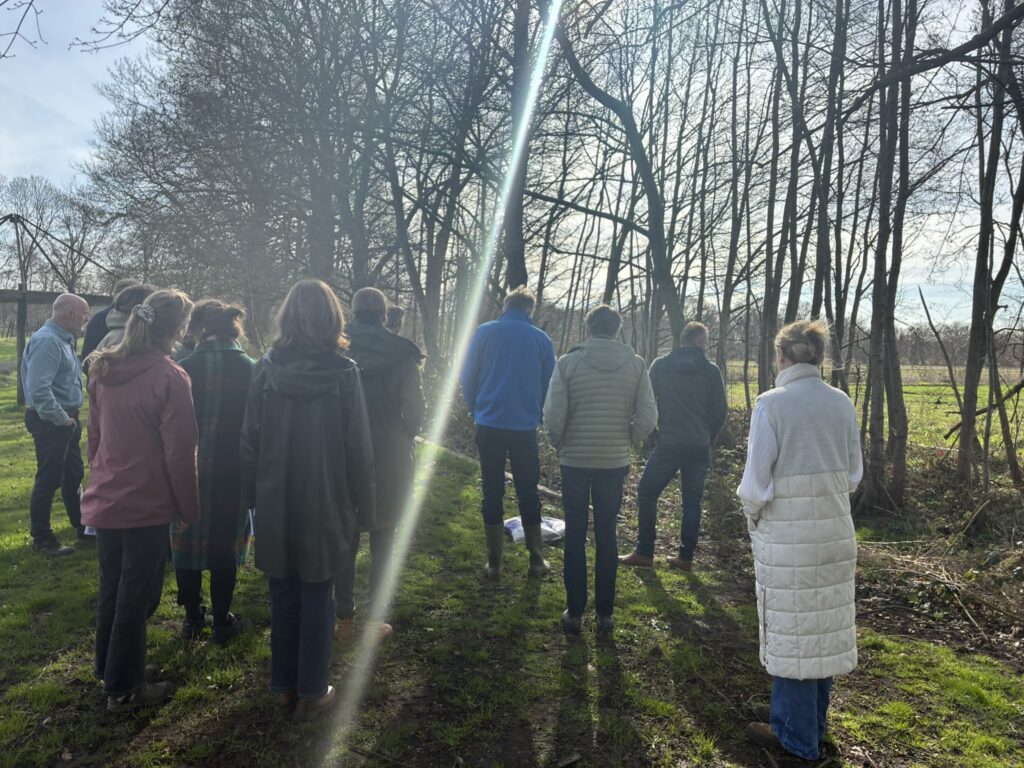
Field herbs, arable flora or weeds?! On 20 March, a themed meeting on field flora and crop diversity took place, organised by AGROSOIL and CropMix.
Read More
Optimising crop diversity at different spatial scales - How can we increase the diversity of a landscape? This is the central question in recently published research by Thijmen van Loon.
Read More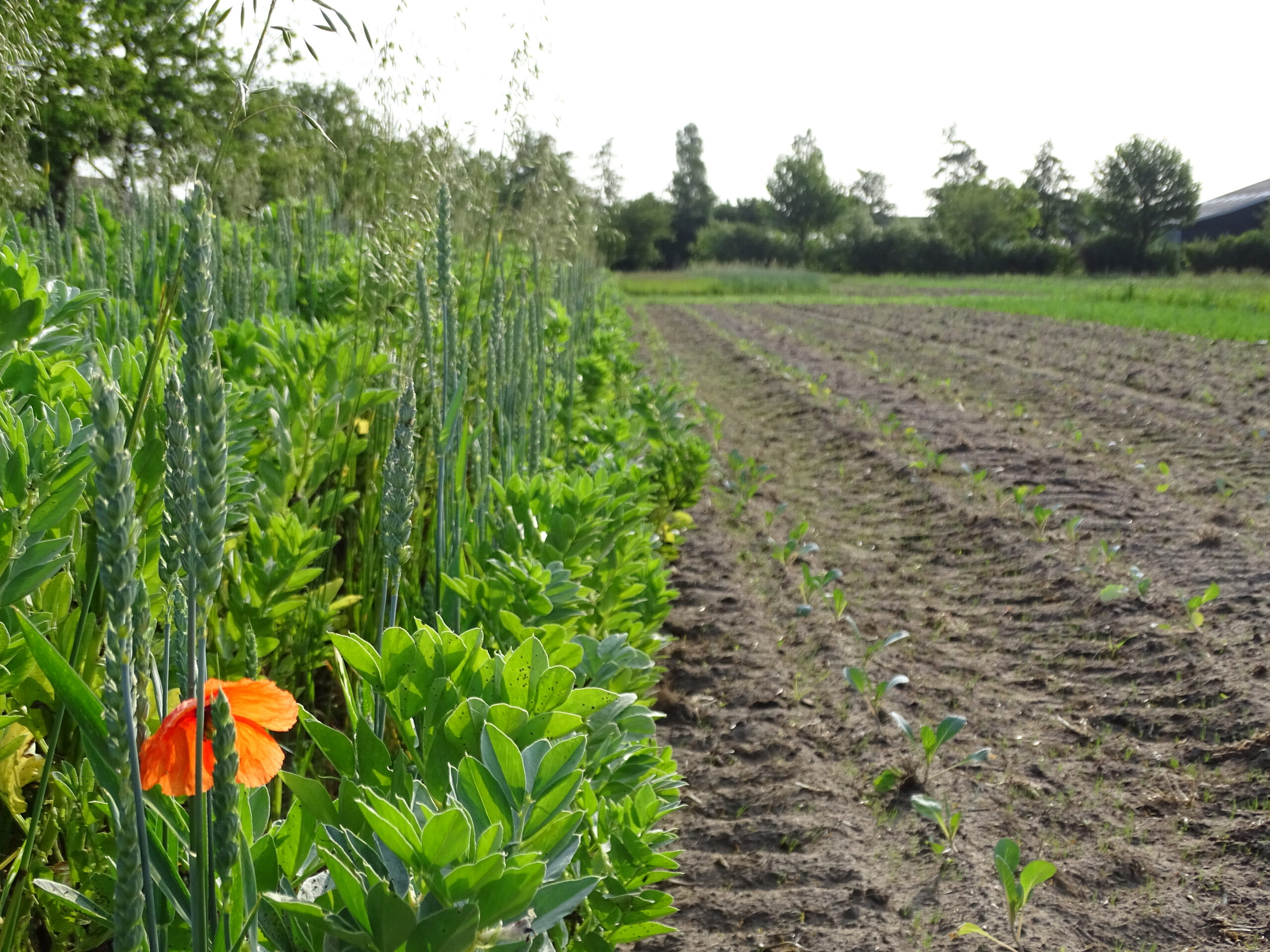
This work package focuses on above-ground and below-ground interactions. We look at the interactions between plants, crops, insects and other species living in the field and the differences between strip cropping and monocultures.
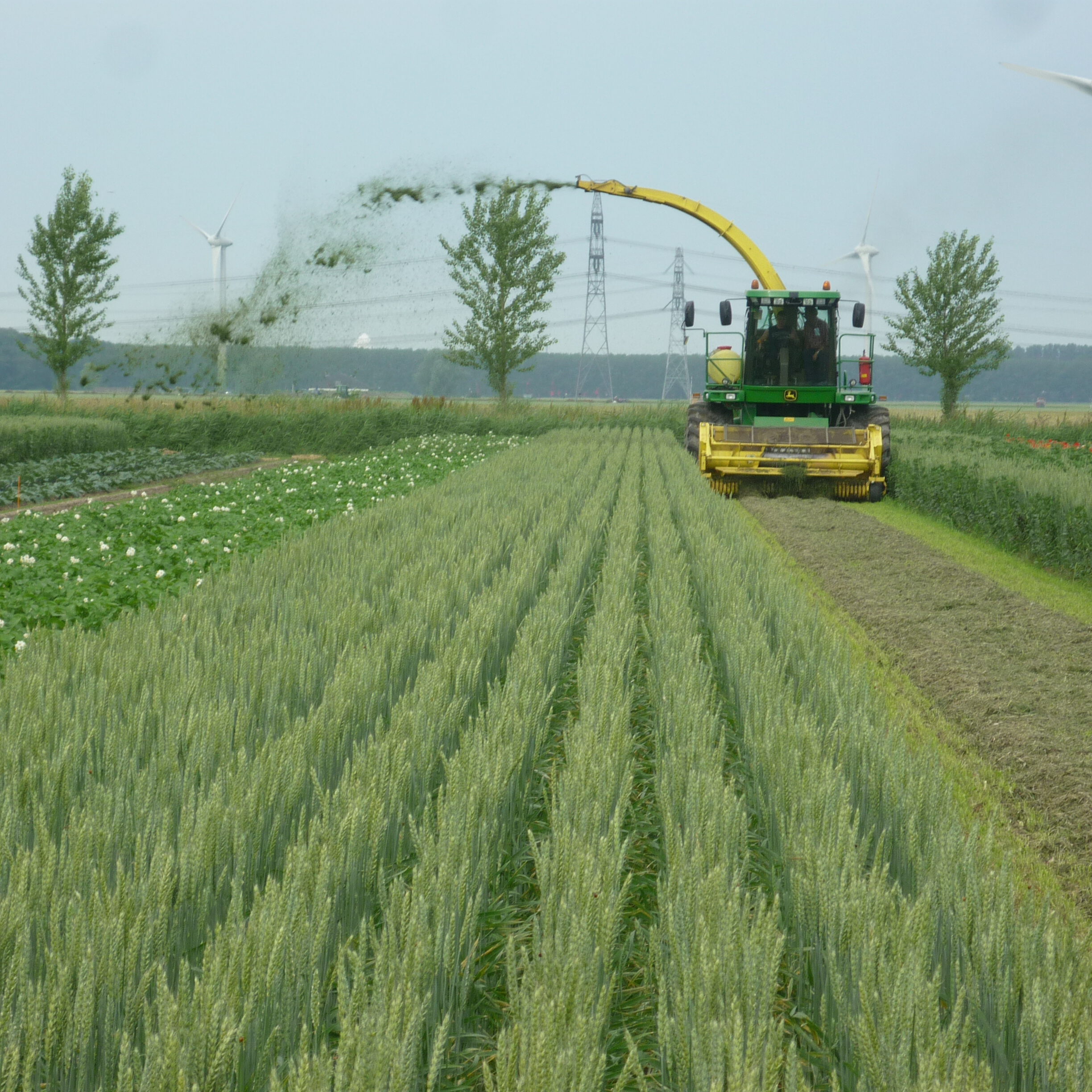
This work package looks at the economic feasibility of investments for farmers to switch to more crop-diverse systems, such as strip cropping, and what factors influence their willingness to adopt ecology based types of farming.
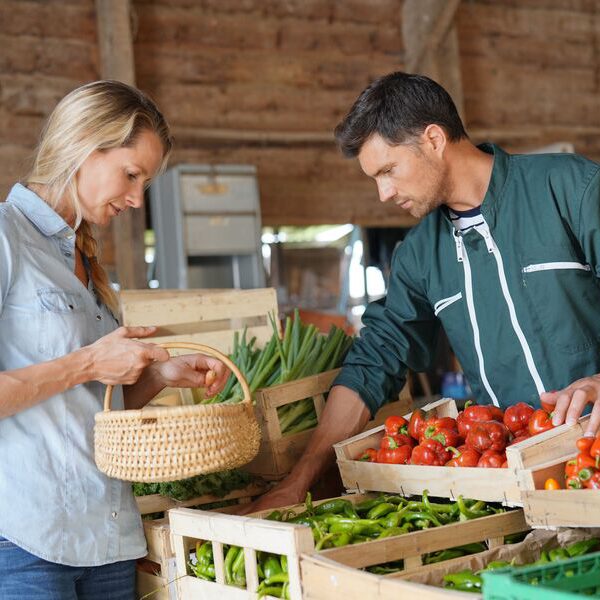
This work package consists of social scientists and transition scholars and focuses on the social context and transition pathways. What is the role of consumers and other stakeholders? And what do different transition pathways towards more sustainable agriculture look like?
A living lab is a testing ground. This can be a physical place, a network or a collaboration. Led by researchers from HAS Green Academy, we design living labs within CropMix in which various consortium partners work together to solve specific practical problems. Read more about the topics we are working on.