What will agriculture look like in 2040?
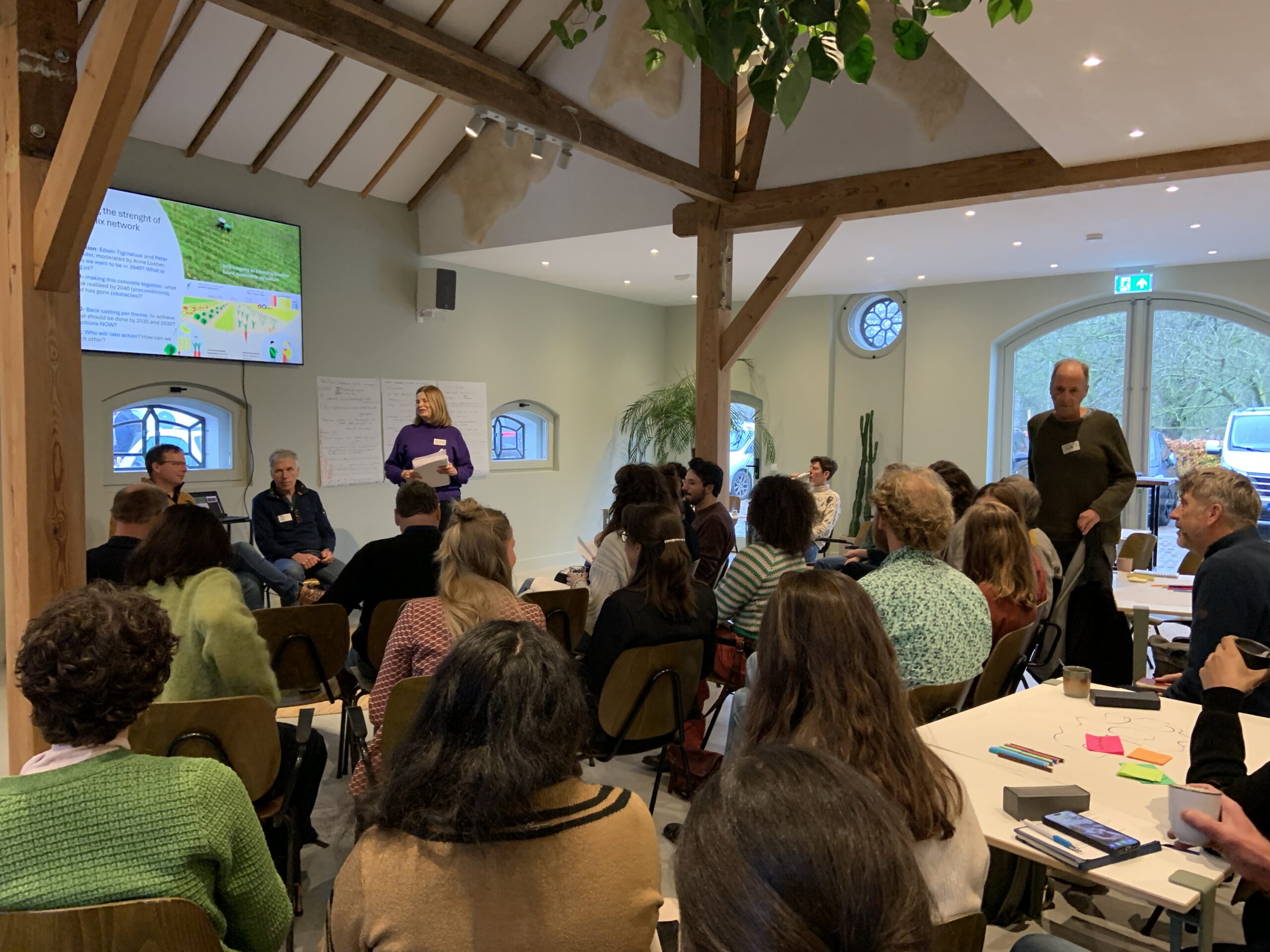
We asked our consortium partners this question during the consortium meeting on 27 November in Odijk. After two inspiring visions of the future from arable farmers Peter Harry Mulder and Edwin Tigchelaar, we split into groups to create a timeline. What needs to happen in 2035, 2030 and now to realise this vision of the future? Themes that emerged included – naturally – crop diversity and landscape variety, but also revenue models, policy and regulations, and issues such as the necessary cultural change and education of future farmers and consumers. Everyone went home with an action point.
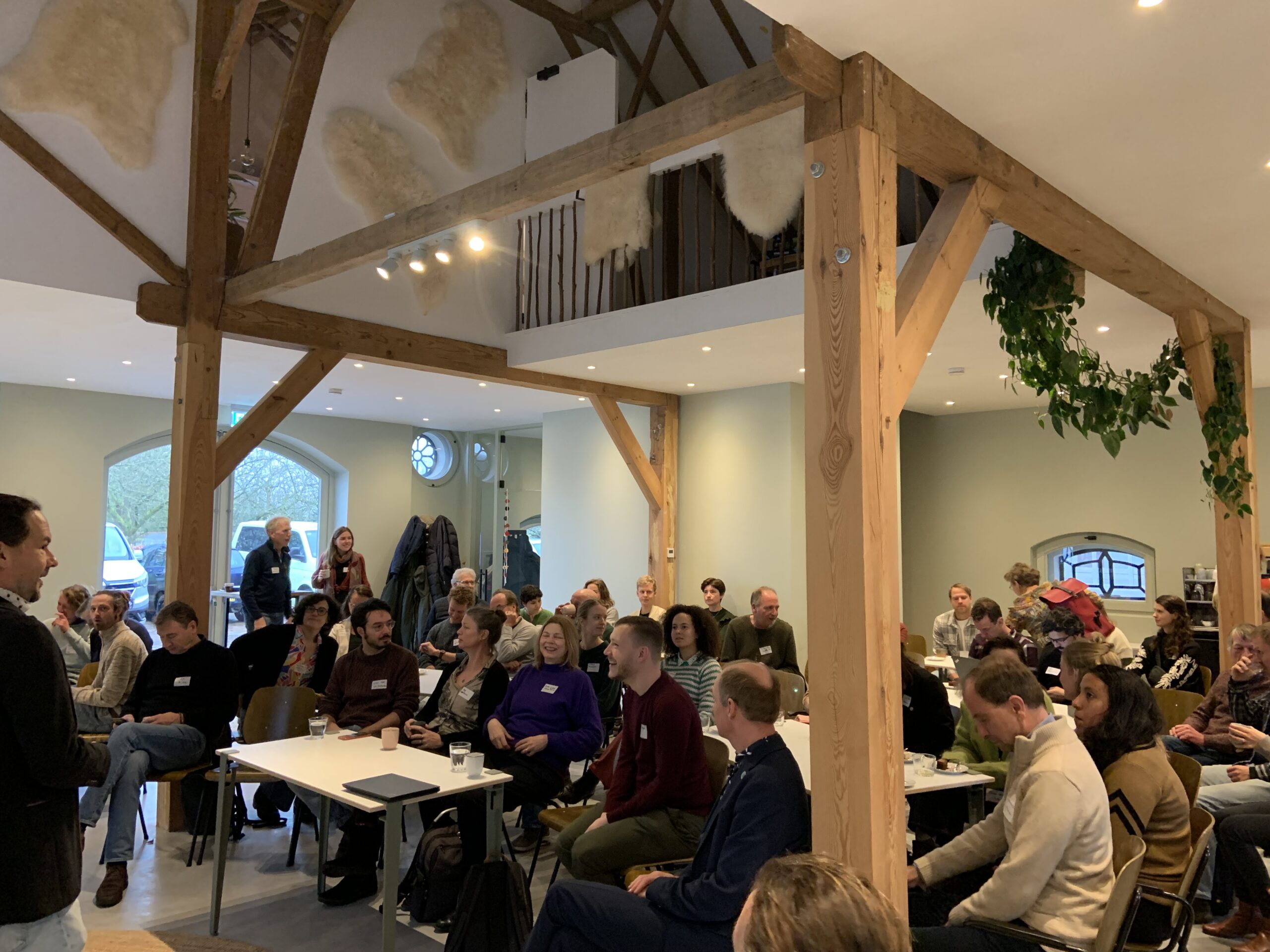
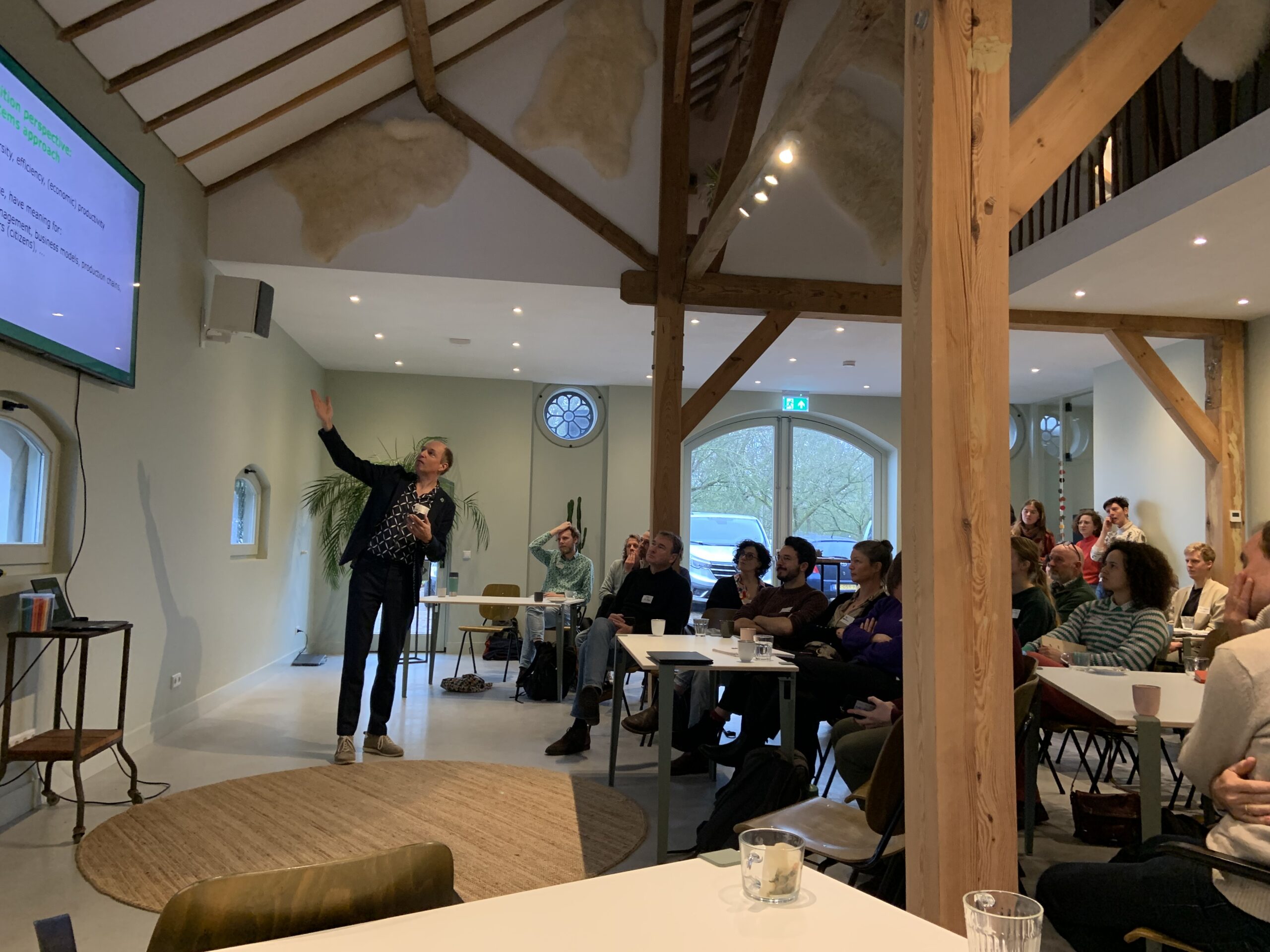
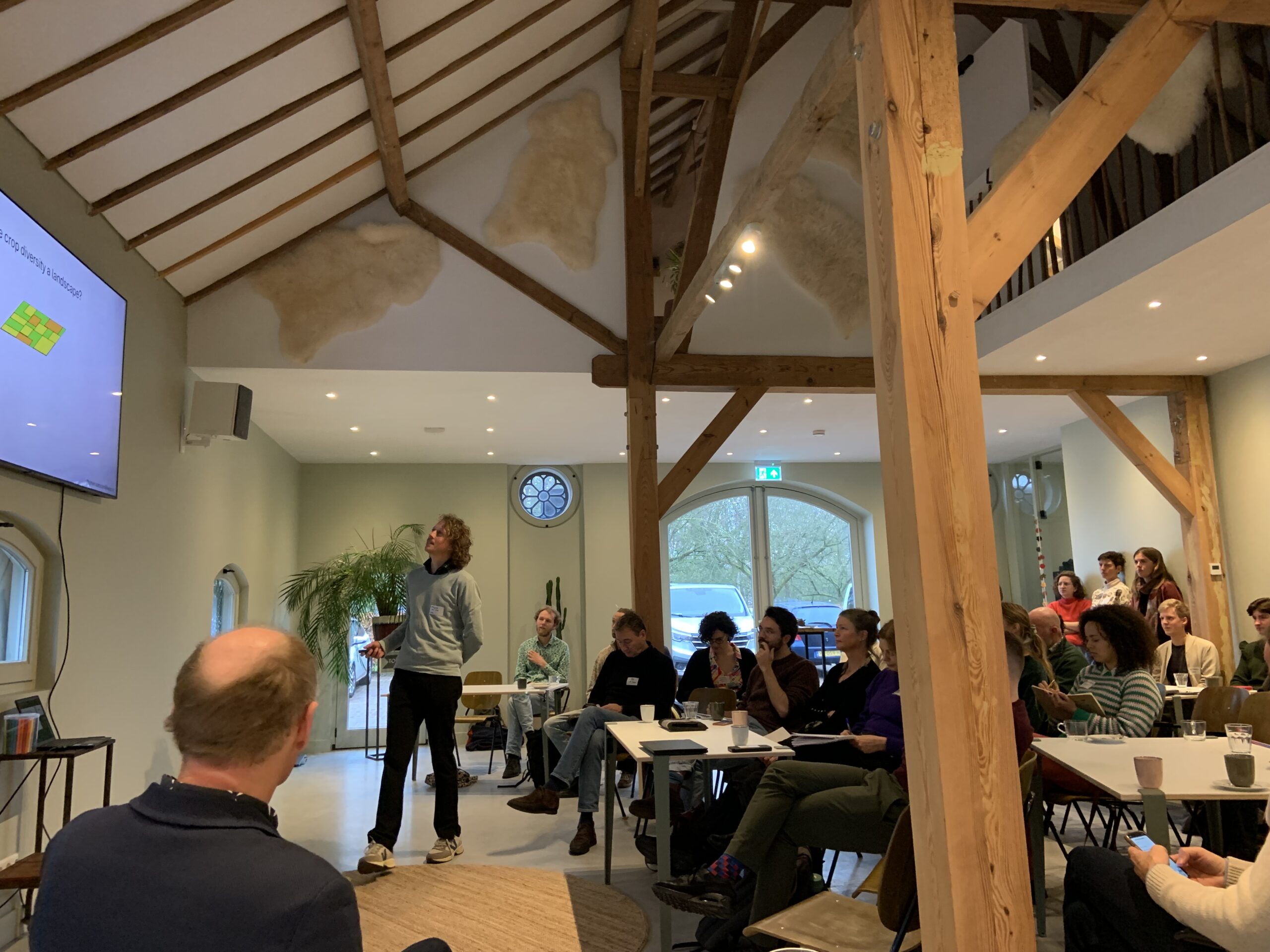
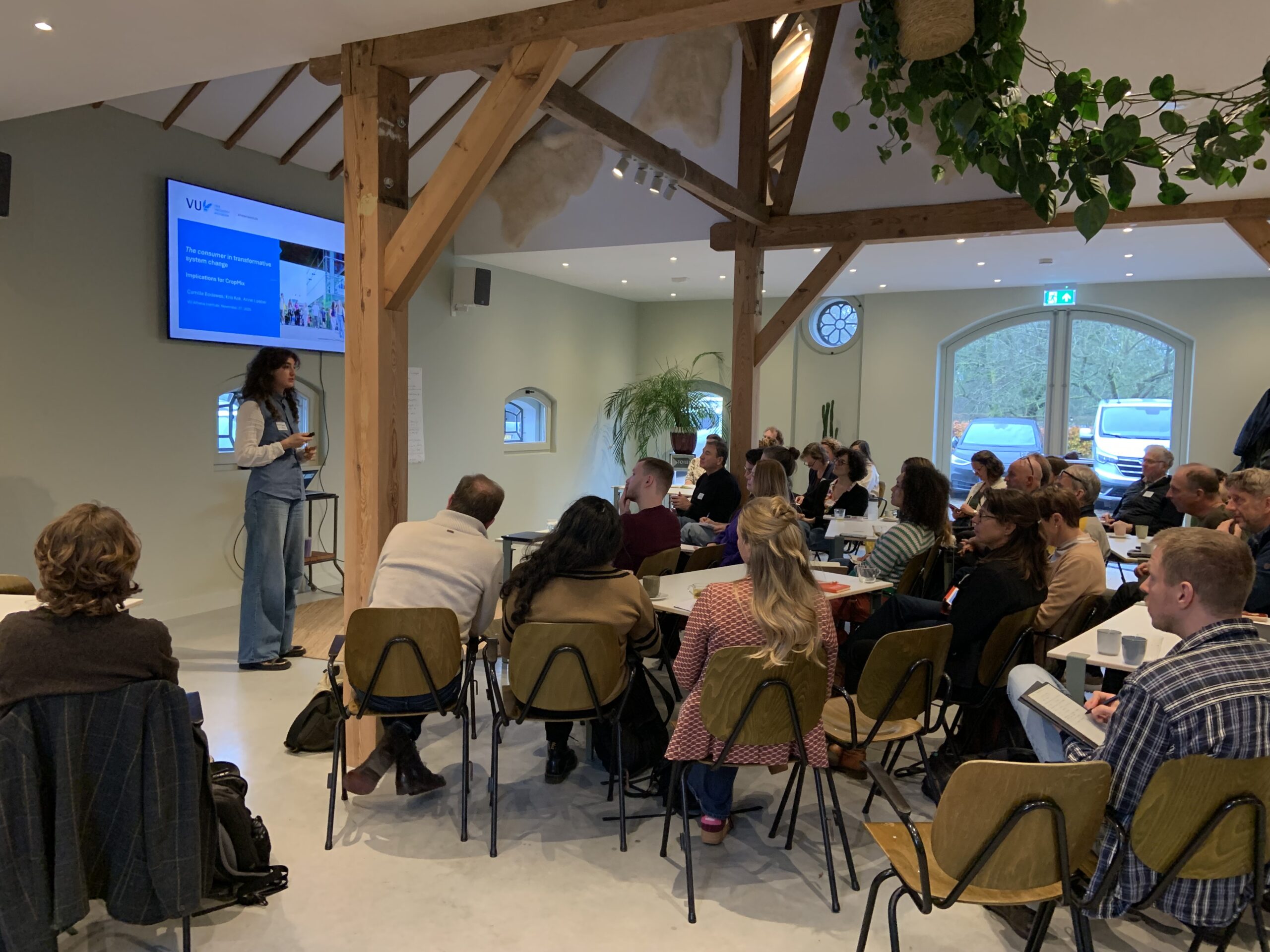
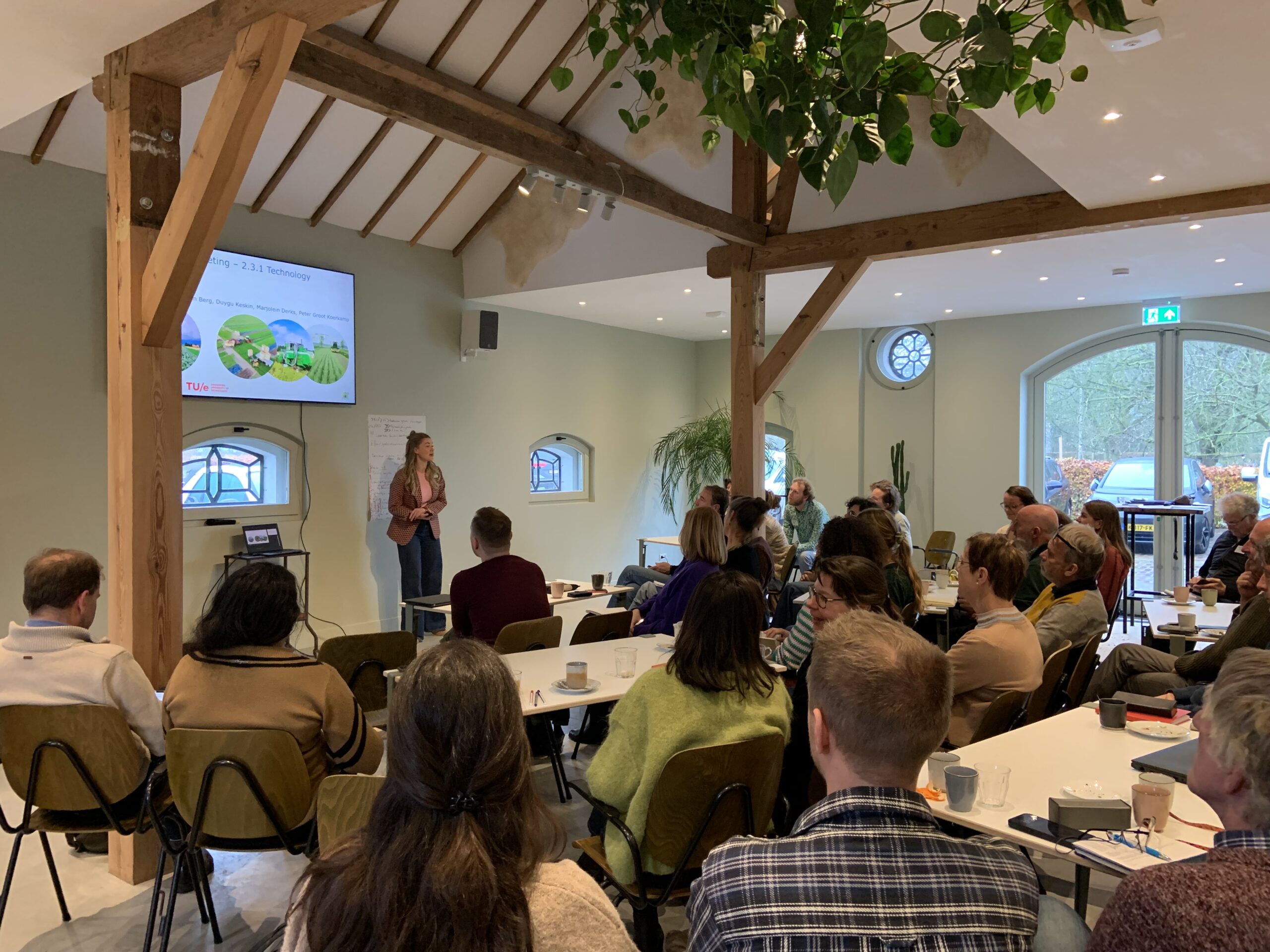
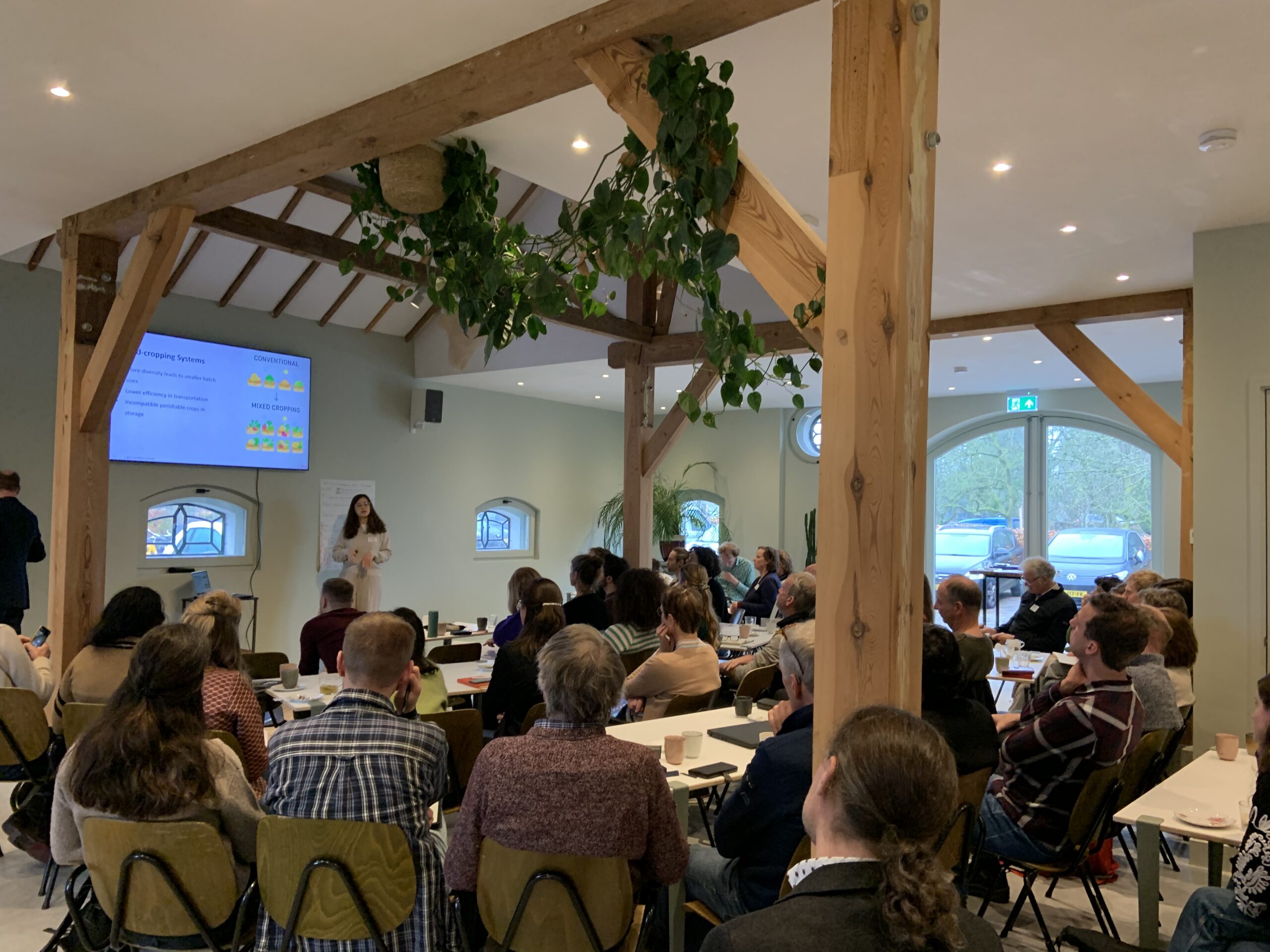
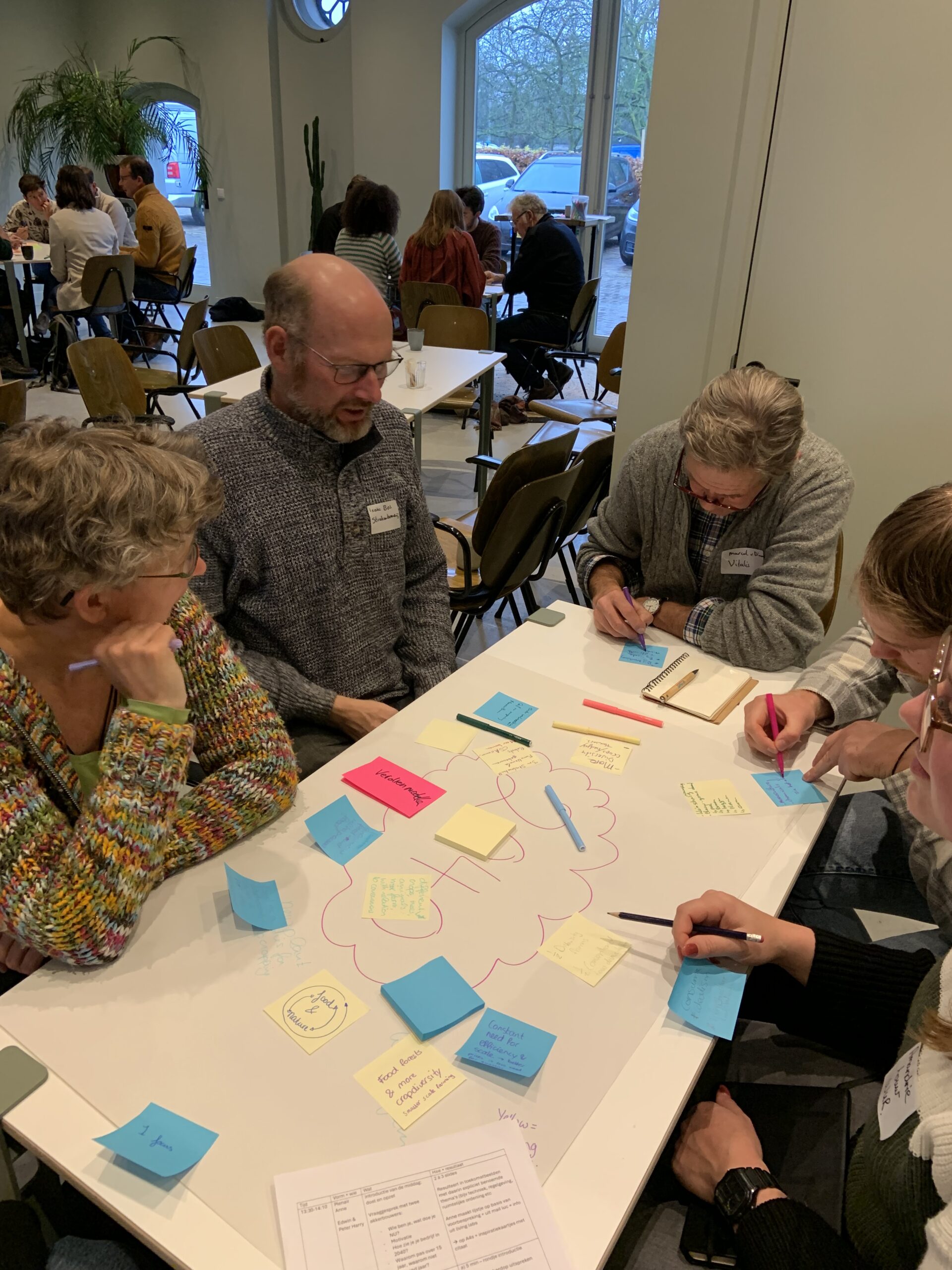
This discussion followed on nicely from the series of results presented by our PhD candidates in the morning. Rik Waenink showed results on insect biodiversity and birds in strip cropping, while Thijmen van Loon told us how his mathematical model can help in making choices to optimise biodiversity in a landscape. Franca Bongers presented on behalf of Ana Ferreira Ernst and Kostas Kypros how 3D models of plant growth can help optimise crop combinations. Daphne Schoop showed what kinds of “relational work” farmers need to do, especially when switching to a new cultivation system. Camilla Bodewes outlined a perspective on how we view consumers and how that influences how different actors in the food system act. Lisa Marijke van den Berg presented her initial findings on the development of new technology for crop-diverse cultivation systems, and Tugce Canbilen Suticen presented how her model can be used to predict whether the short or long chain is suitable for the sale of strip cropping products.
We would like to thank everyone for their energy and commitment, and here's to 2040!