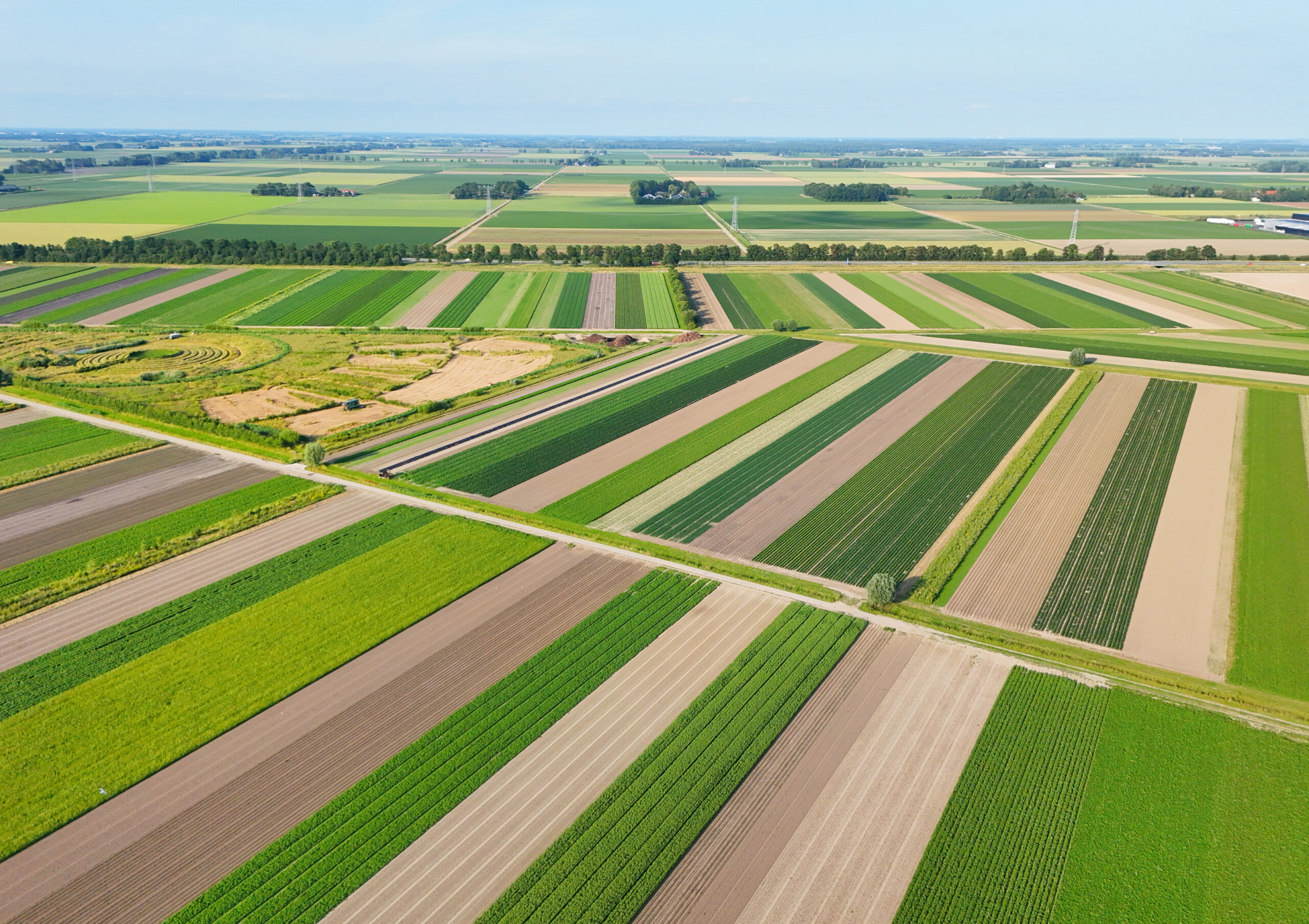
Zonnegoed Farm (Ens). Photo: Martijn de Jonge.
Scaling up from plant-plant interactions to field and farm
Biodiversity and functional biodiversity in strip cropping

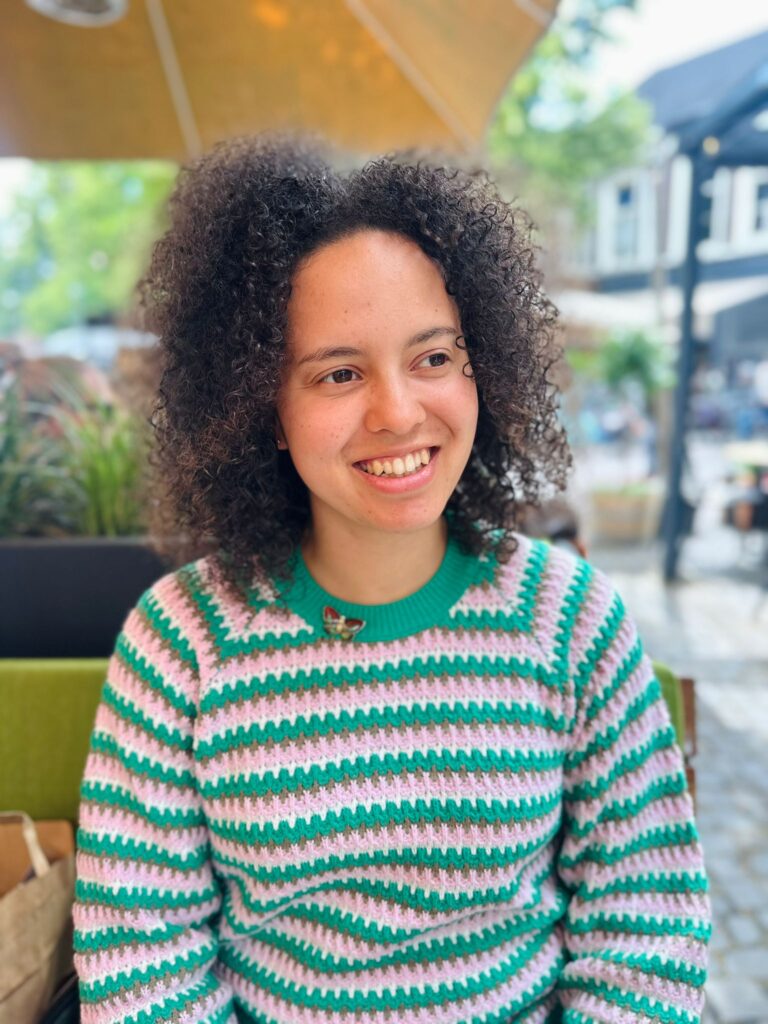
Researcher
Zoë Delamore
Postdoc
Wageningen University & Research
I have always been fascinated by ecological interactions and studied them during my master's degree and PhD at Wageningen University & Research. My focus has been on plant-insect interactions and exploring how plants can defend themselves against a whole community of insects. In CropMix, I would like to use my knowledge on specific interactions on plant level to a wider system and explore how the many layers of biodiversity interact.
Research project
Project: 1.3.4. Biodiversity and functional biodiversity in strip cropping
This project aims to compare biodiversity across the CropMix farm network, with 25 strip cropped fields and nearby monocultures across the Netherlands. Biodiversity measurements include arable flora, ground-dwelling arthropods, aerial arthropods, nematodes, earthworms, birds and amphibians. Additionally, functional biodiversity is estimated using insect eggs, plasticine caterpillars and seed-cards to assess predation.
By using the biodiversity measurements in the farm network, my main aim is to answer the questions: 1) how does increased crop diversity affect (functional) biodiversity at the field level, 2) how does biodiversity change across years since the introduction of strip cropping on a farm, 3) how do farm characteristics and management affect the difference in biodiversity between strip cropping and monoculture cropping.
Related projects
- Yields in strip cropping > Hilde Faber
- Scaling up from plant to field level
- The value of strip cropping for farmland birds
Results and news
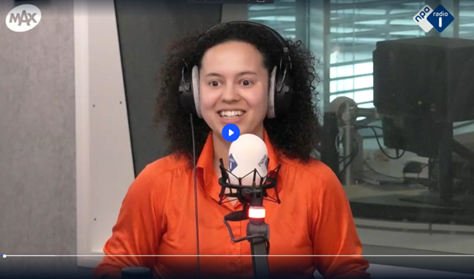
On 24 January 2026, Zoë was on NPO Radio 1 Nieuwsweekend to talk about MoestuinMix and the value of this research for sustainable agriculture.
Listen to the interview here (Dutch).
Researchers involved
- Erik Poelman (WUR)
Related research
Our work packages
This work package focuses on above-ground and below-ground interactions. We look at the interactions between plants, crops, insects and other species living in the field and the differences between strip cropping and monocultures.
Work package 2 looks at the economic feasibility of investments for farmers to switch to more crop-diverse systems, such as strip farming, and what factors influence their willingness to engage in ecologically sound farming.
We want to identify different transition pathways applicable to different situations. Think of farmers with wide strips and long value chains, but also farmers with narrow strips marketing in a short chain. Or perhaps very different cropping systems that use crop diversity, such as agroforestry. We also look at what consumers and other stakeholders think and their role in the transition to more sustainable agriculture.